Case Study: Talitha
Context:
Talitha Coffee is a specialty brand with an intentional mission and a mix of direct and wholesale channels. As VP of Product and Growth, I owned both the digital product and the performance side, which meant making sure the stories we told actually showed up in the numbers.
Problem:
Talitha was a brand-new enterprise. No products, no brand, no site, no marketing… nothing. It needed a site and tooling that would be set up to personalize experiences or measure the impact of offers and content.
Operators were doing a lot of manual merchandising.
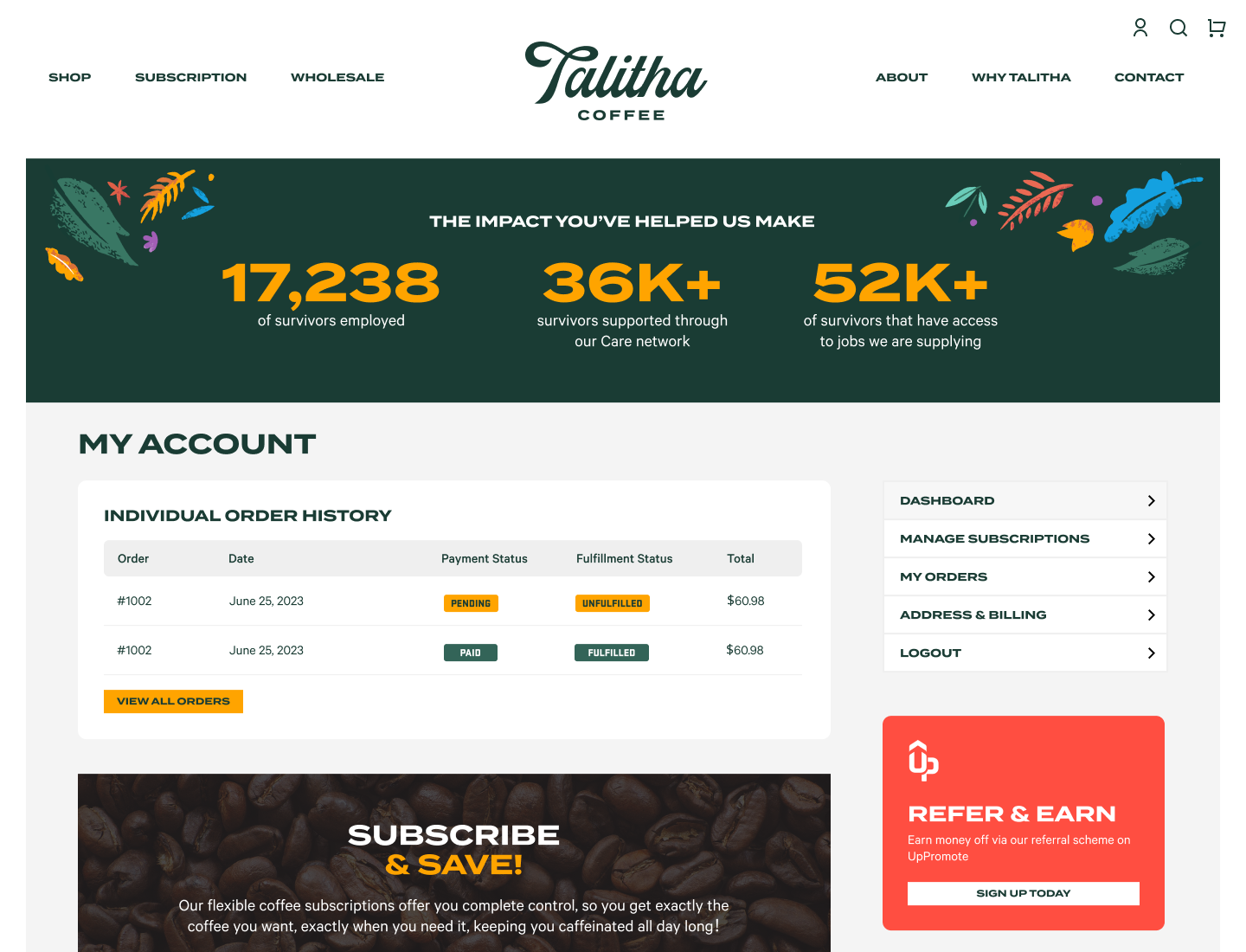
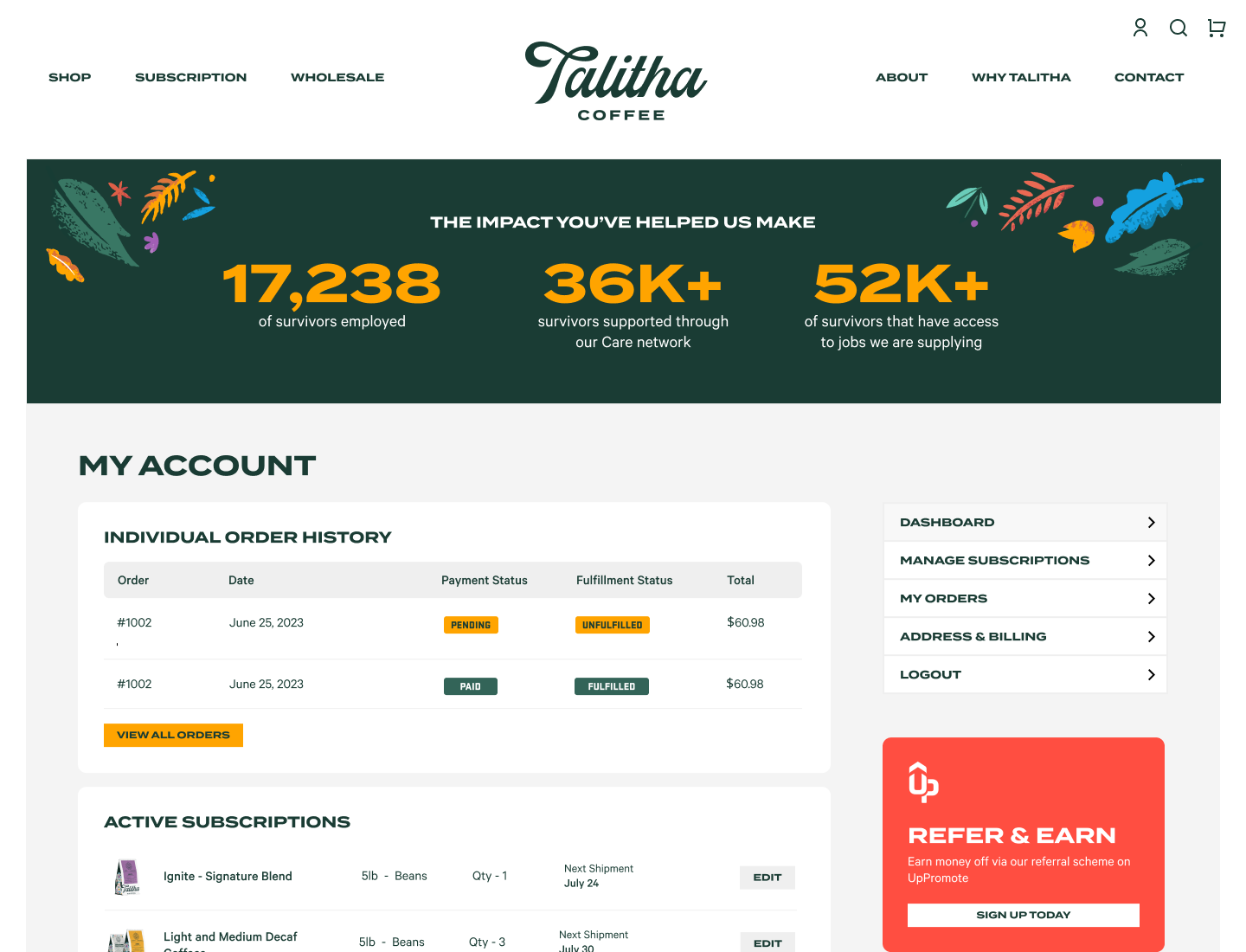
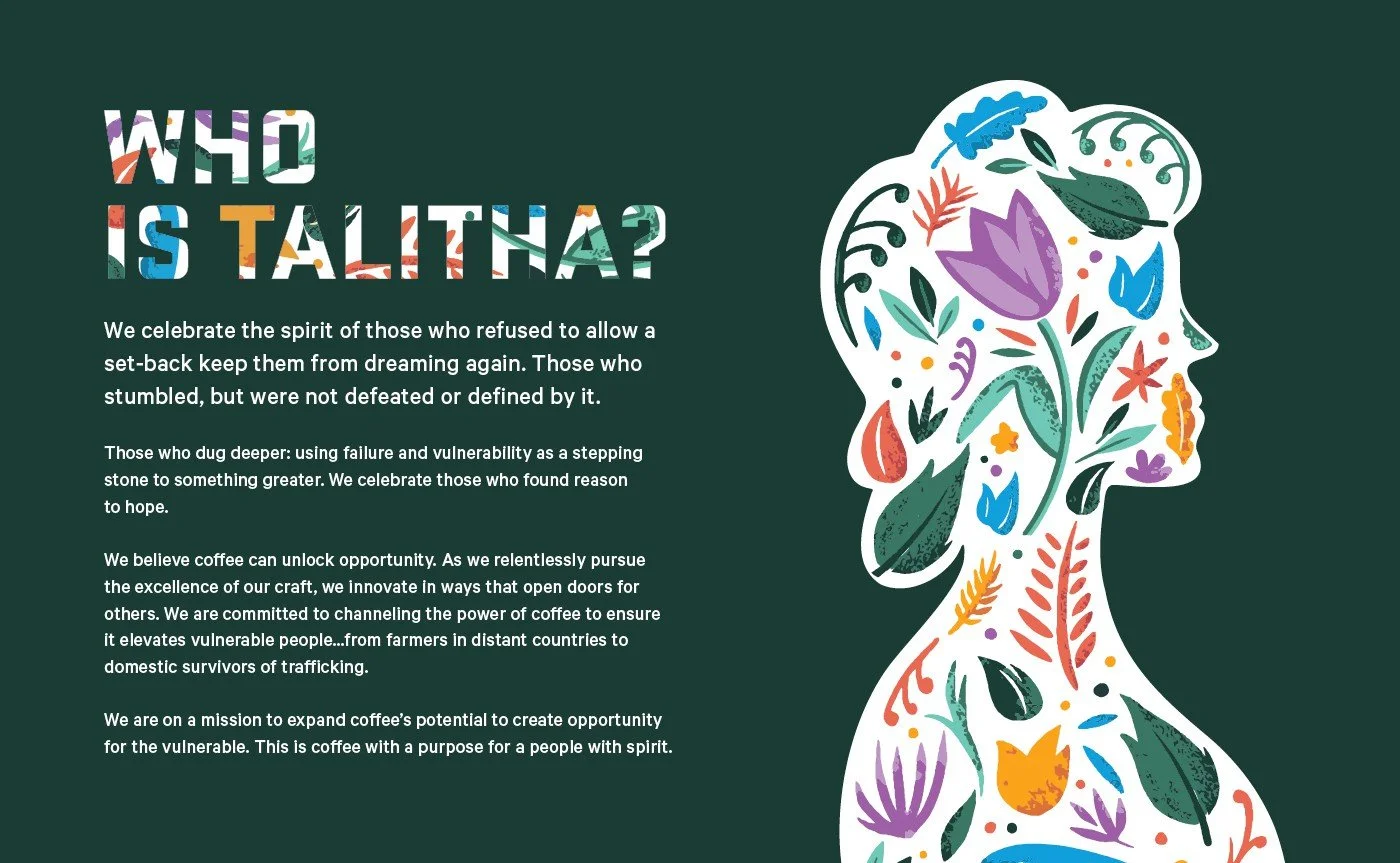
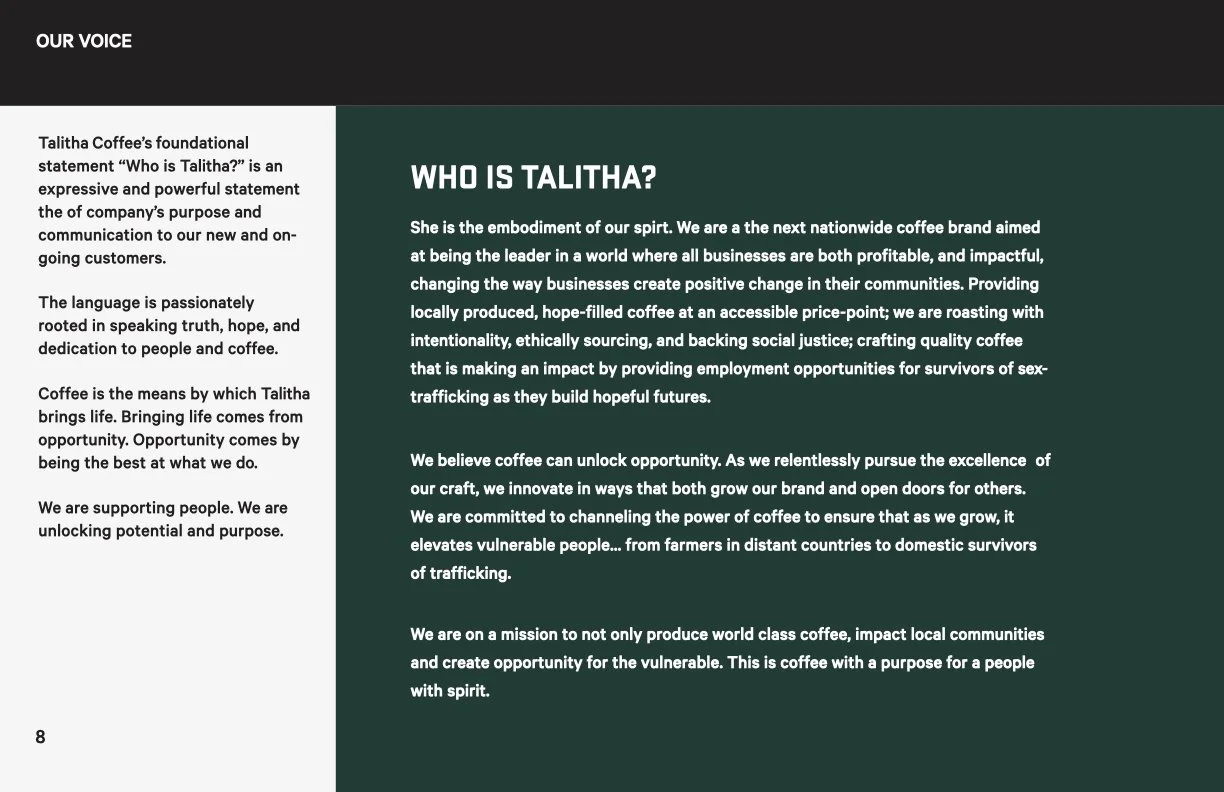
We needed to communicate the Social Impact of the brand alongside the product.
Leadership had an incomplete view of funnel performance, cohorts, and unit economics.
What We Built:
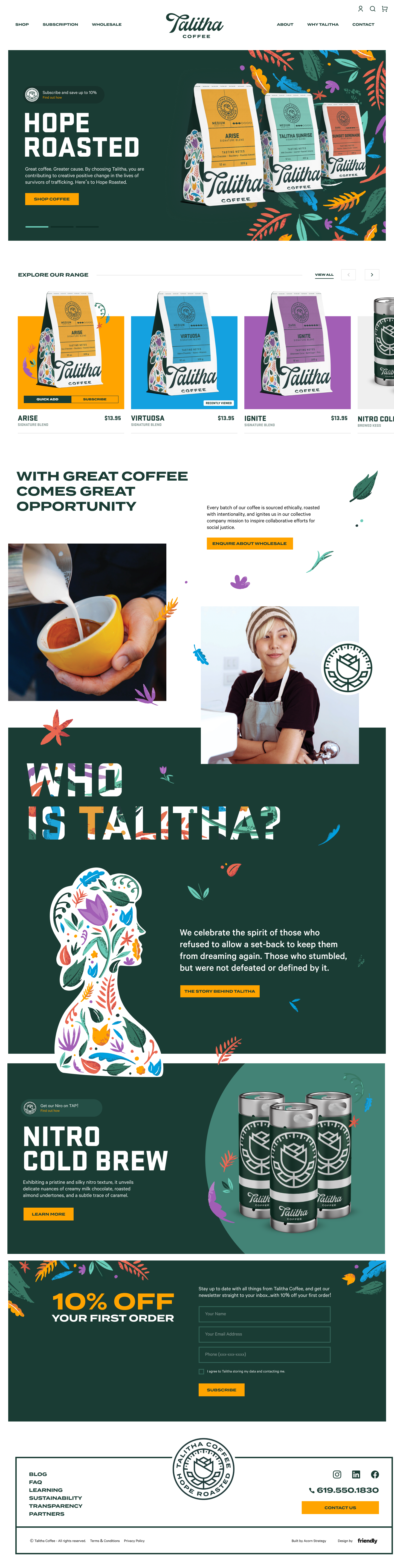
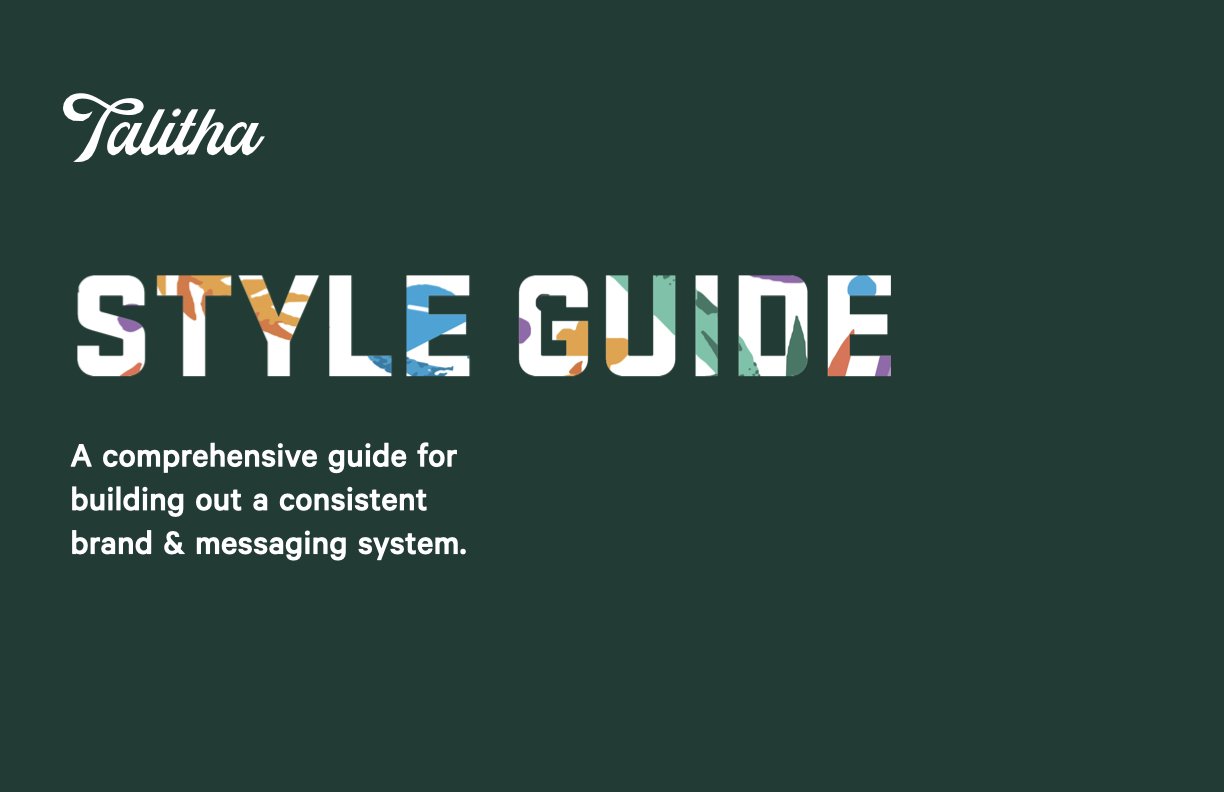
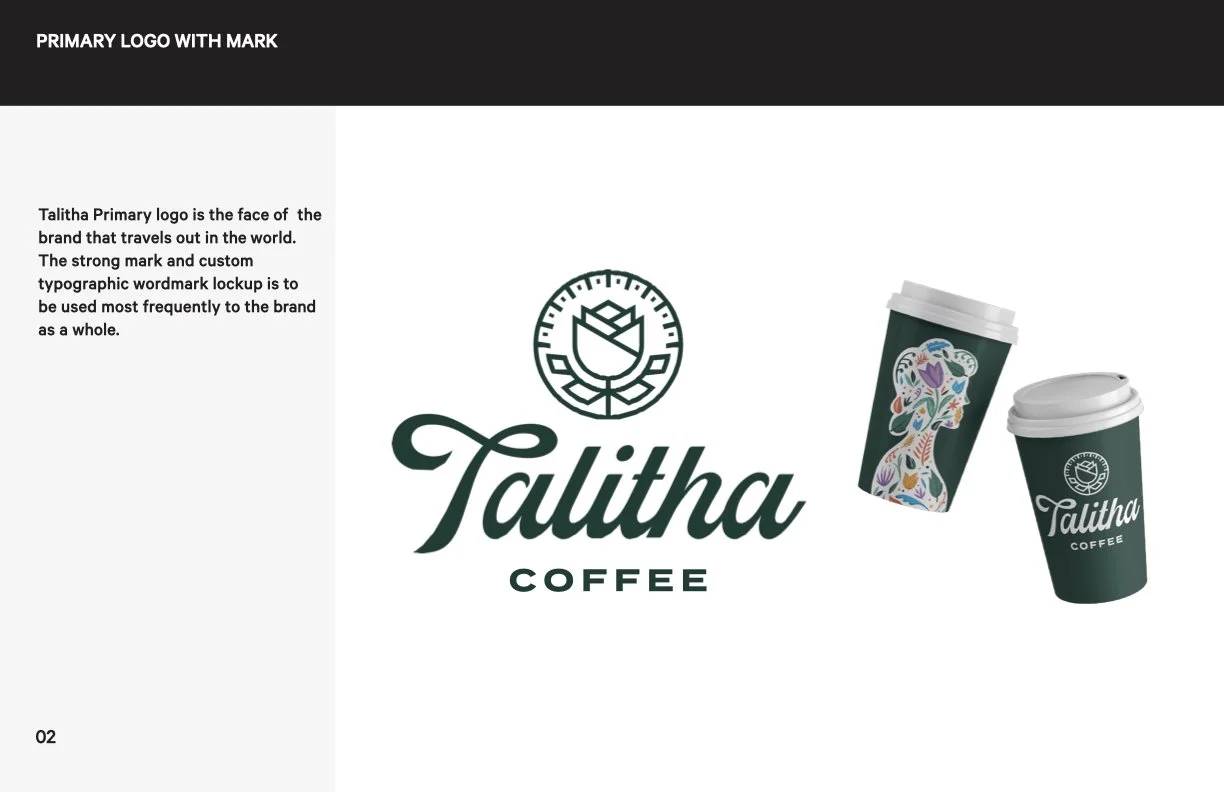
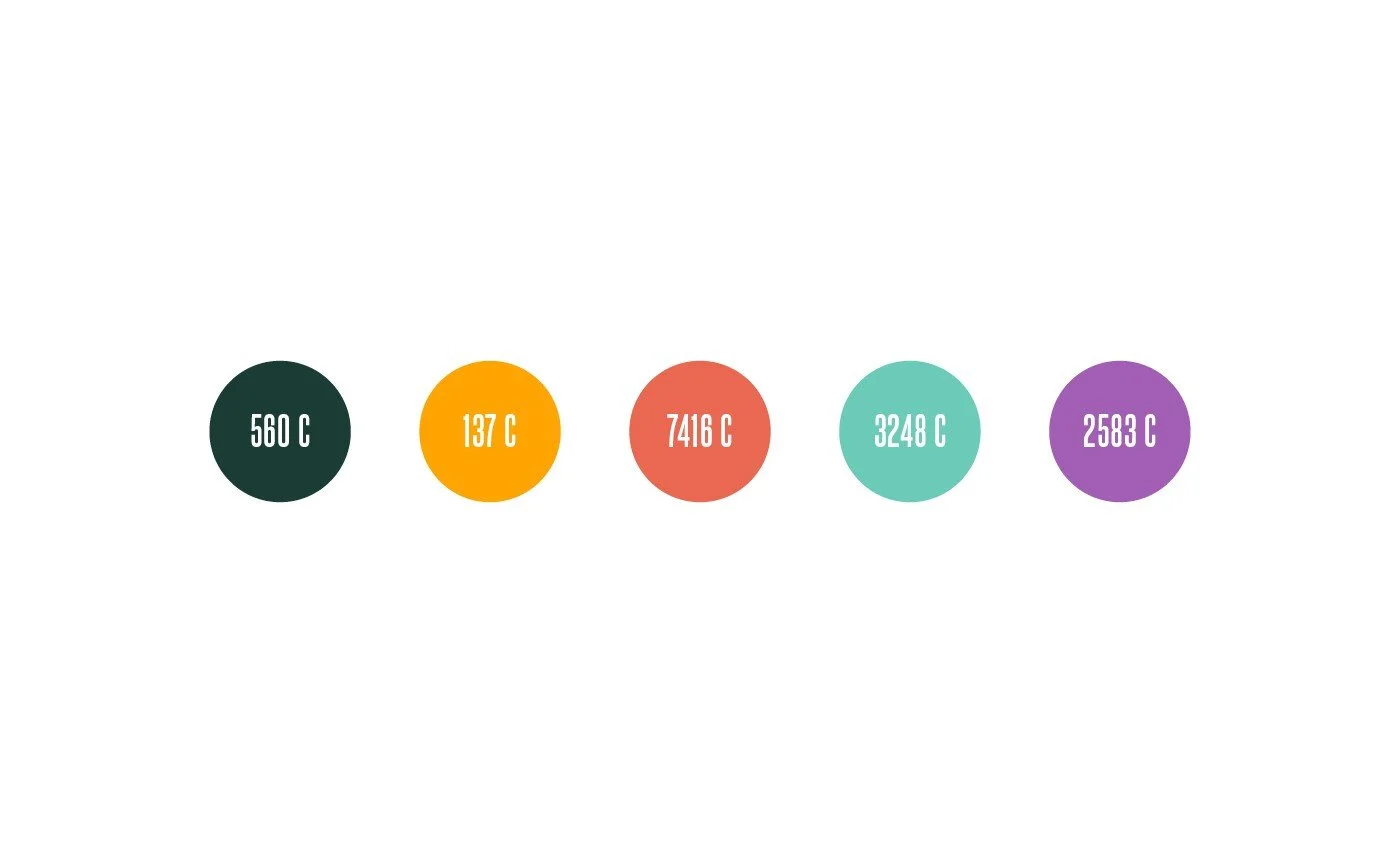
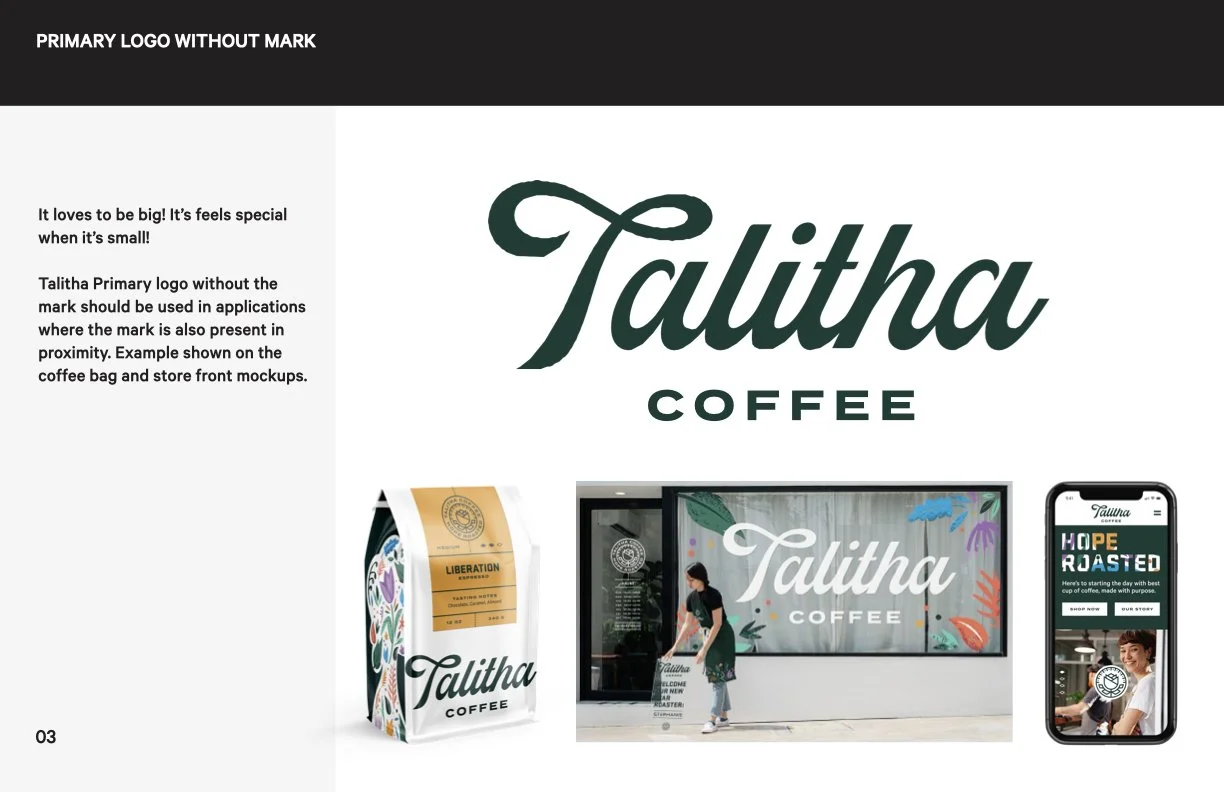
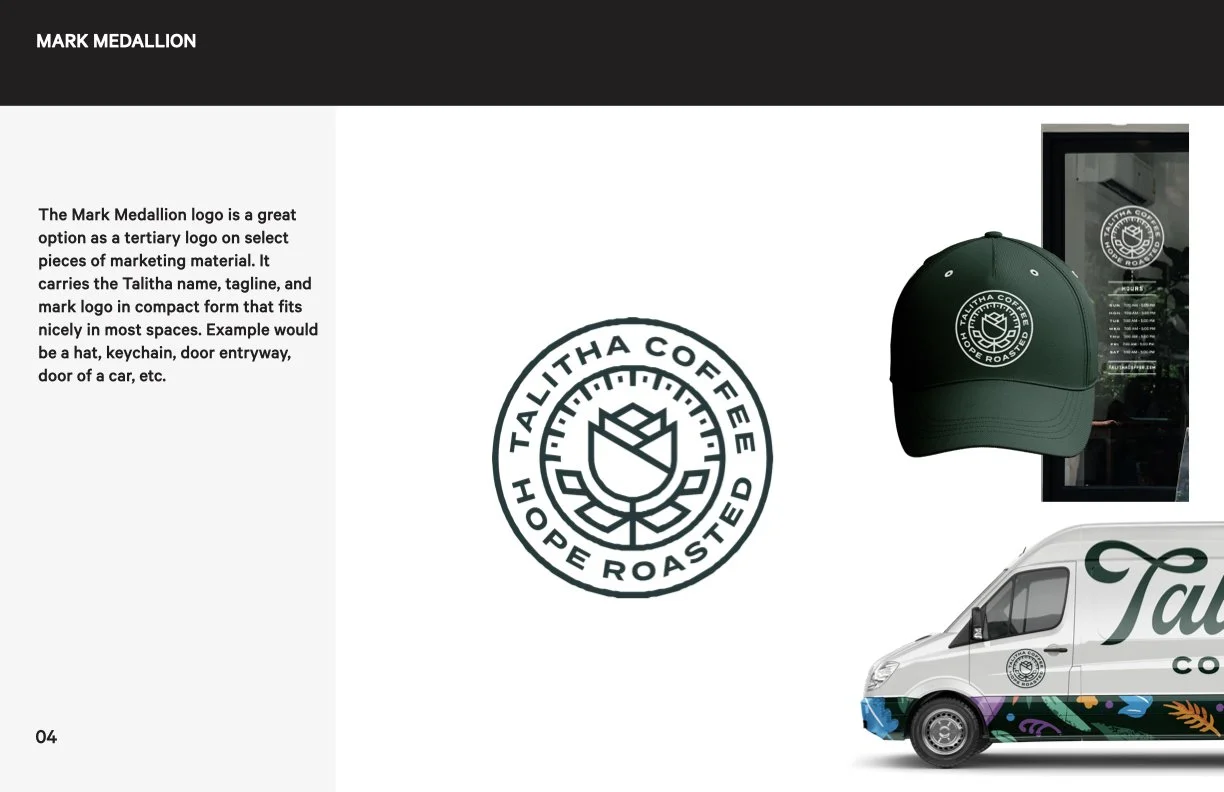
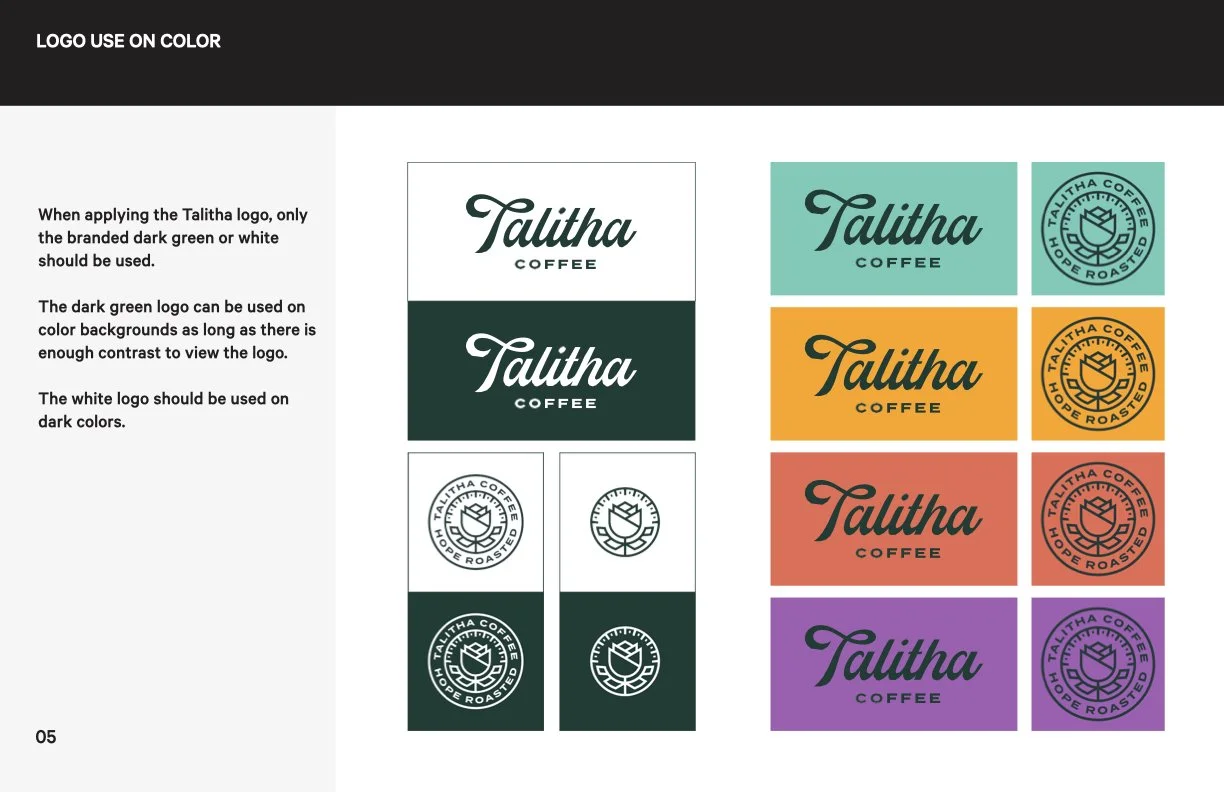
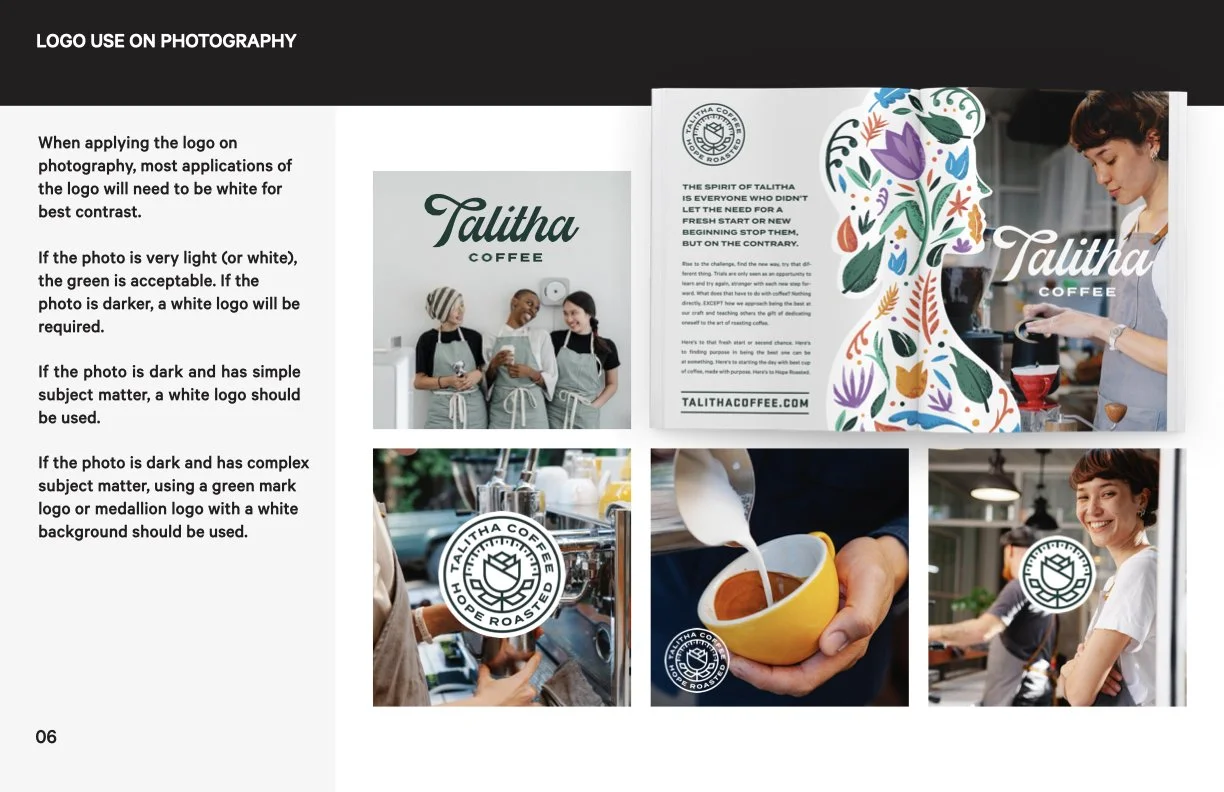
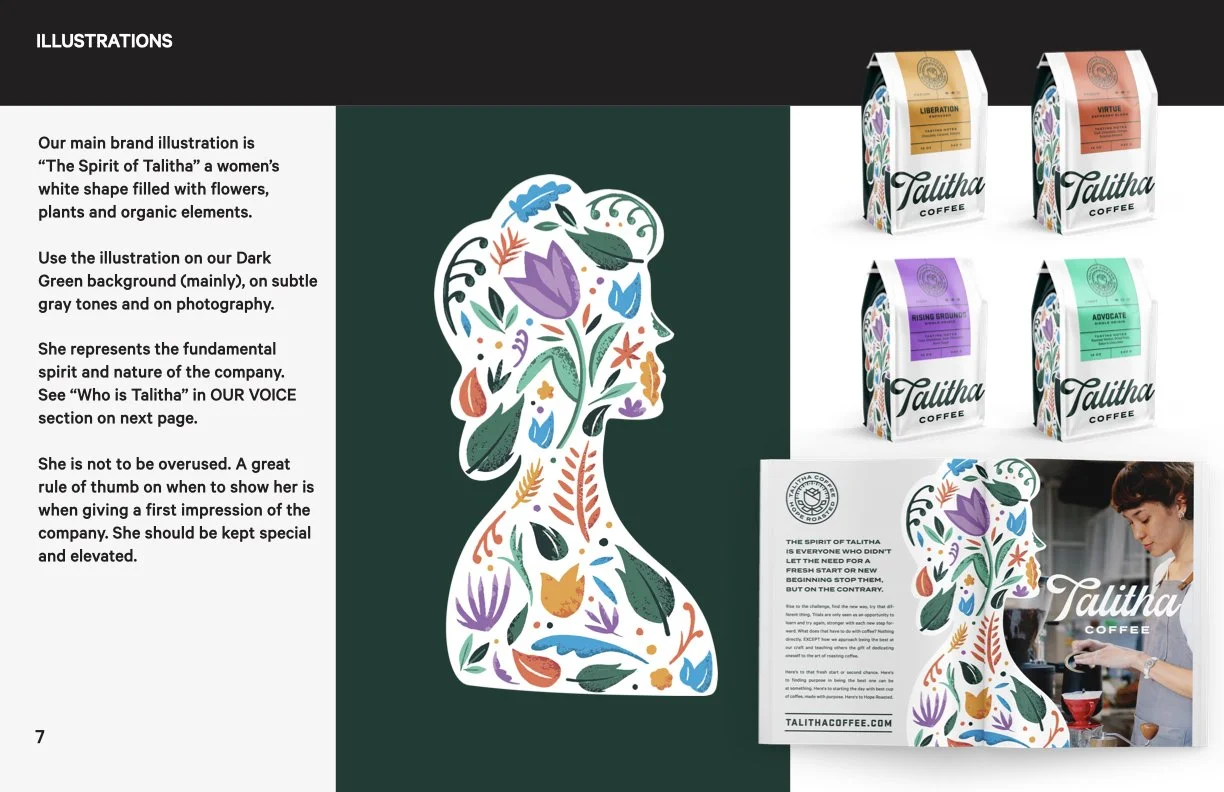
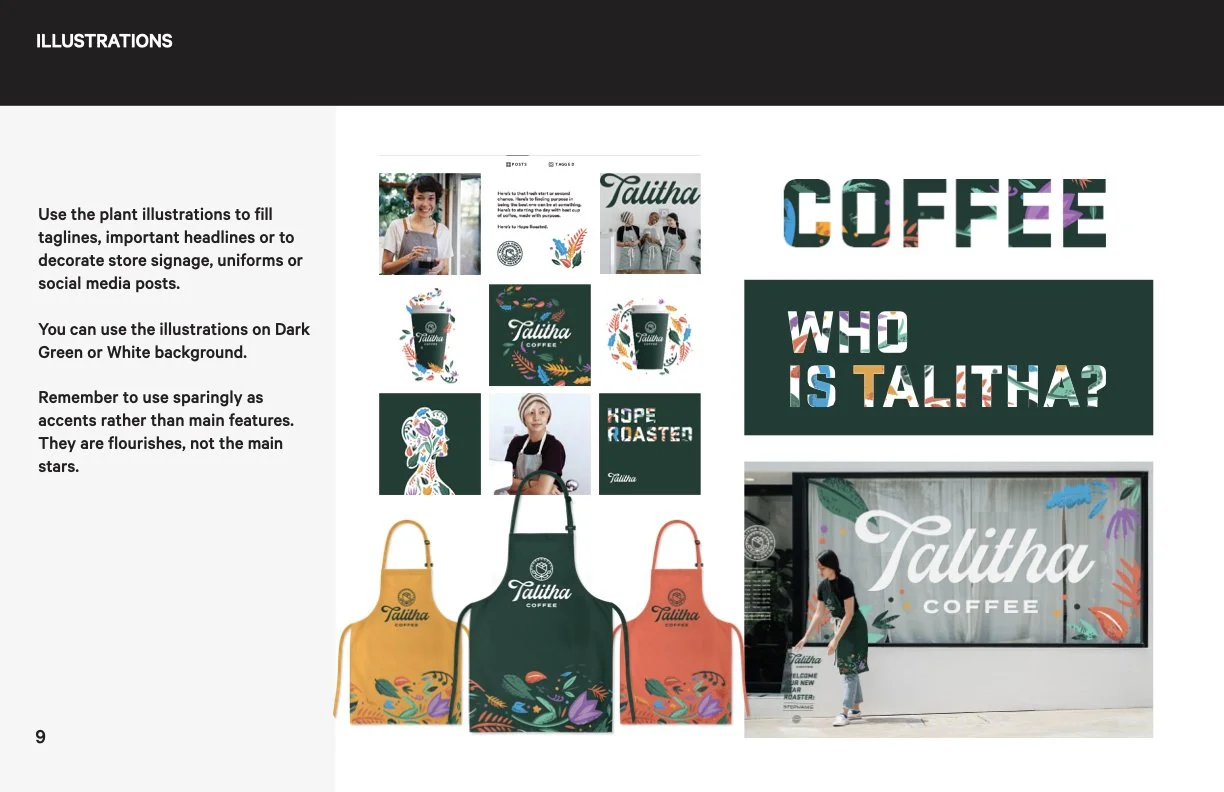
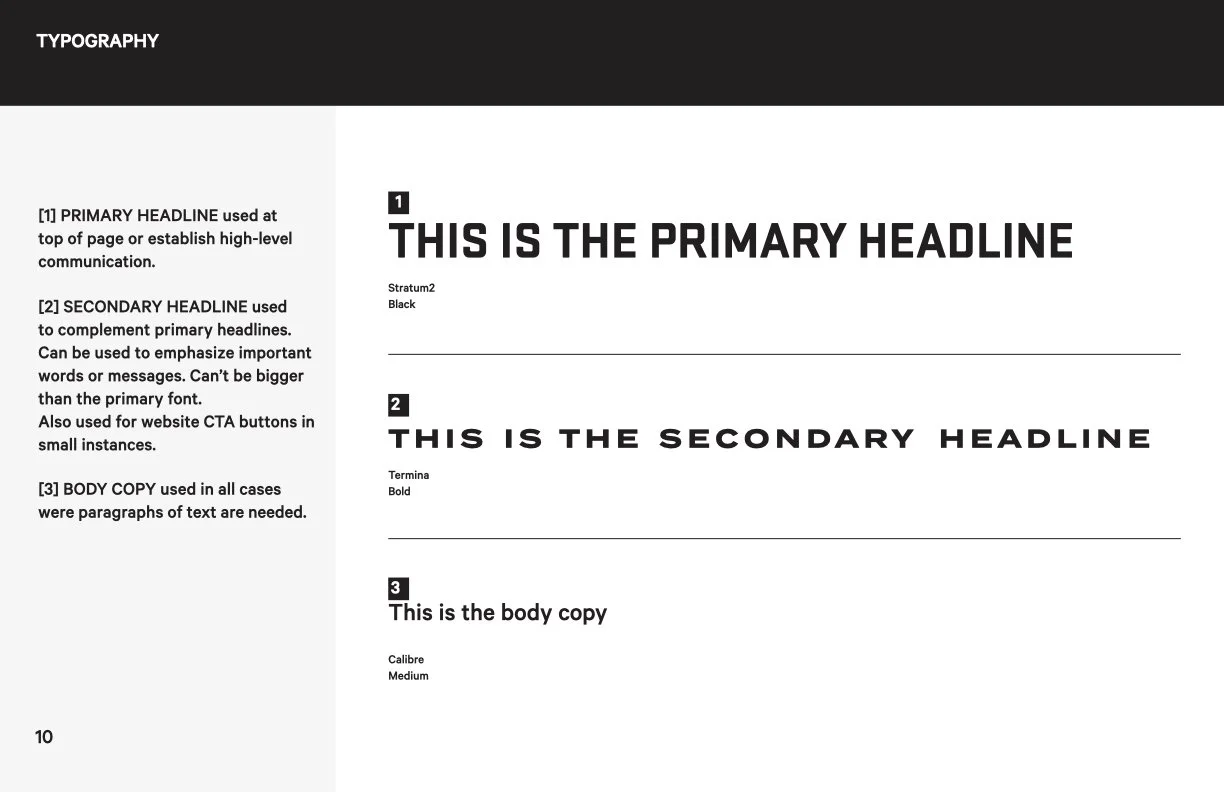
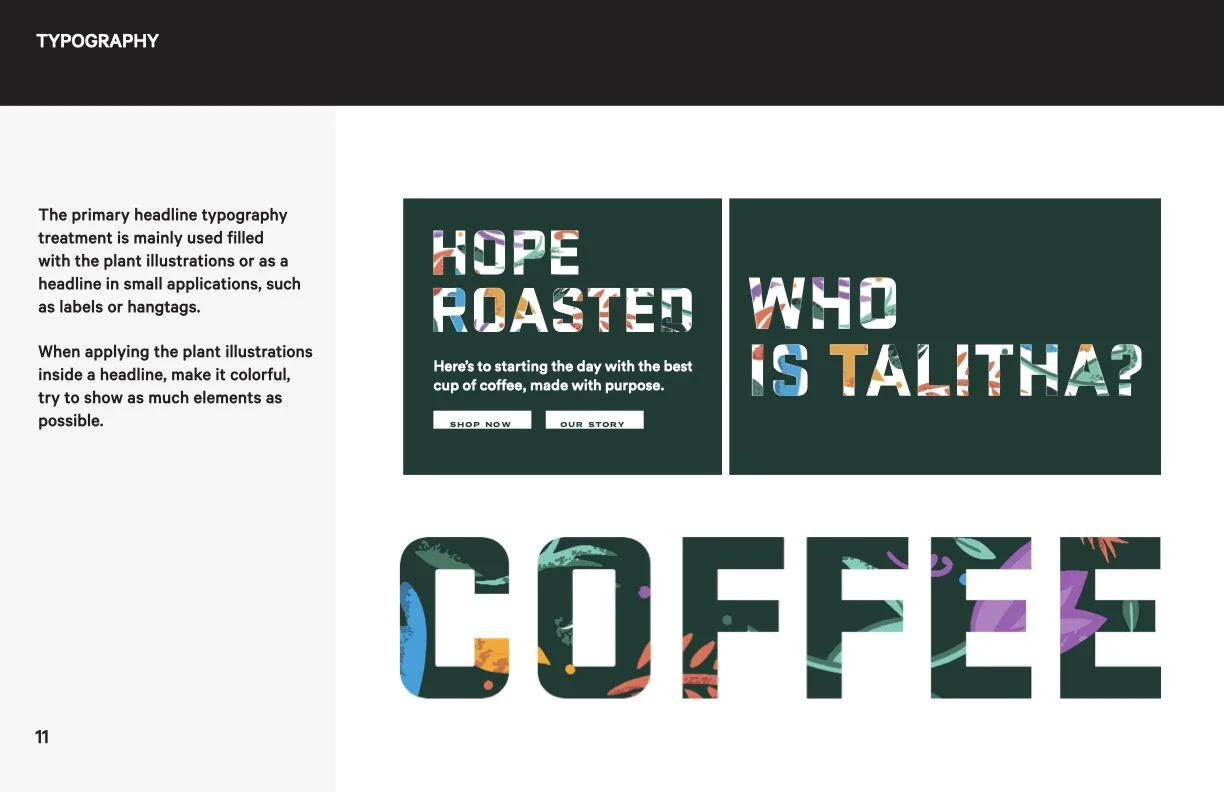
A brand that brought each customer into the journey. Talitha became its own unique persona, and we (as employees) were participating in the social impact right alongside each customer and user.
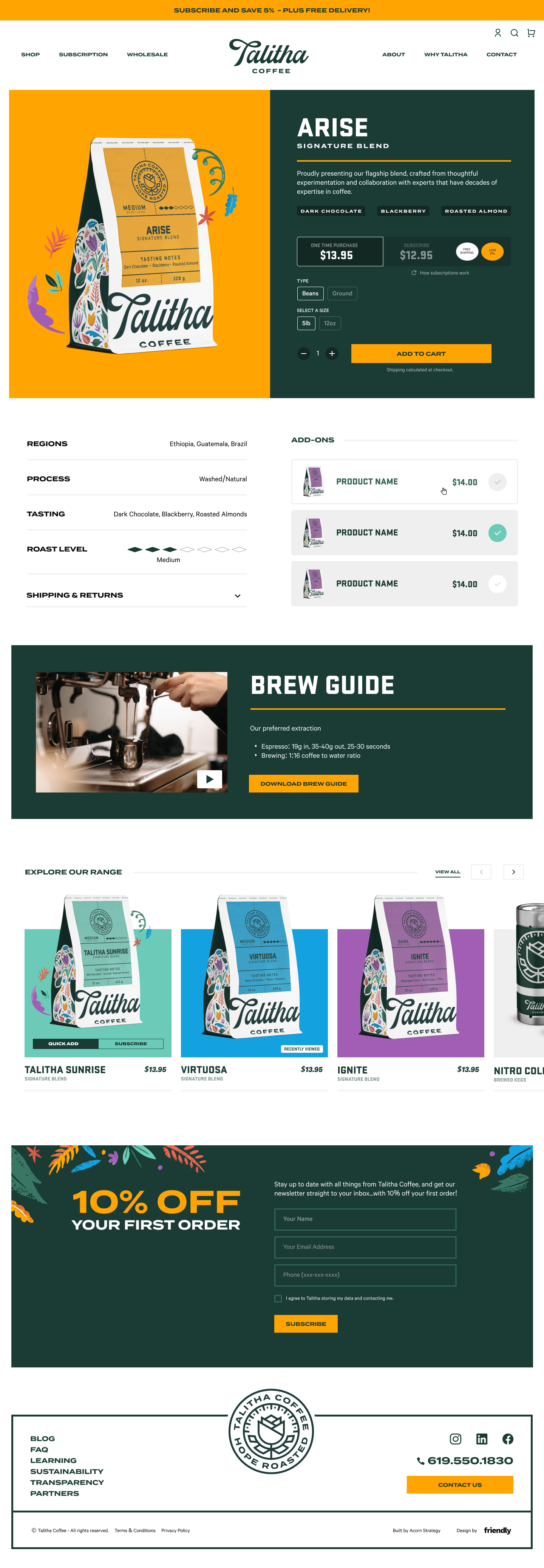
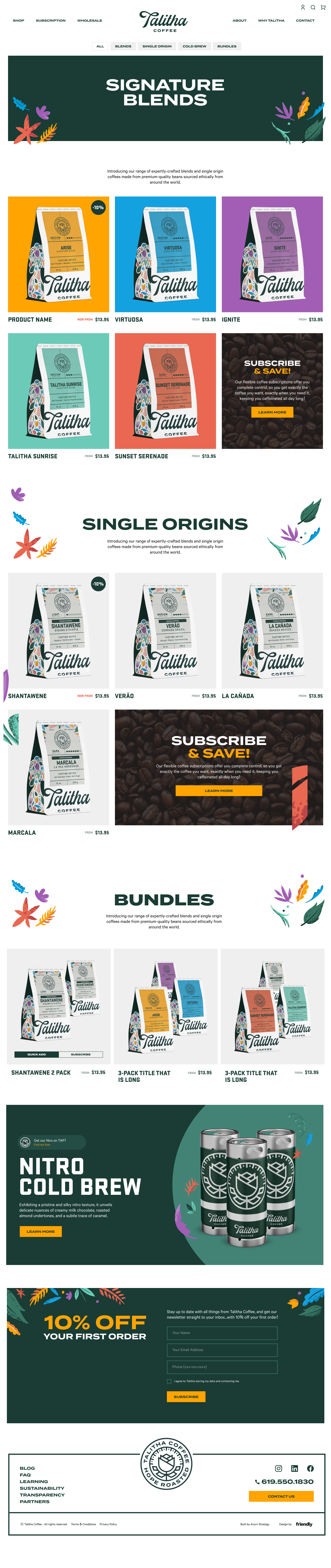
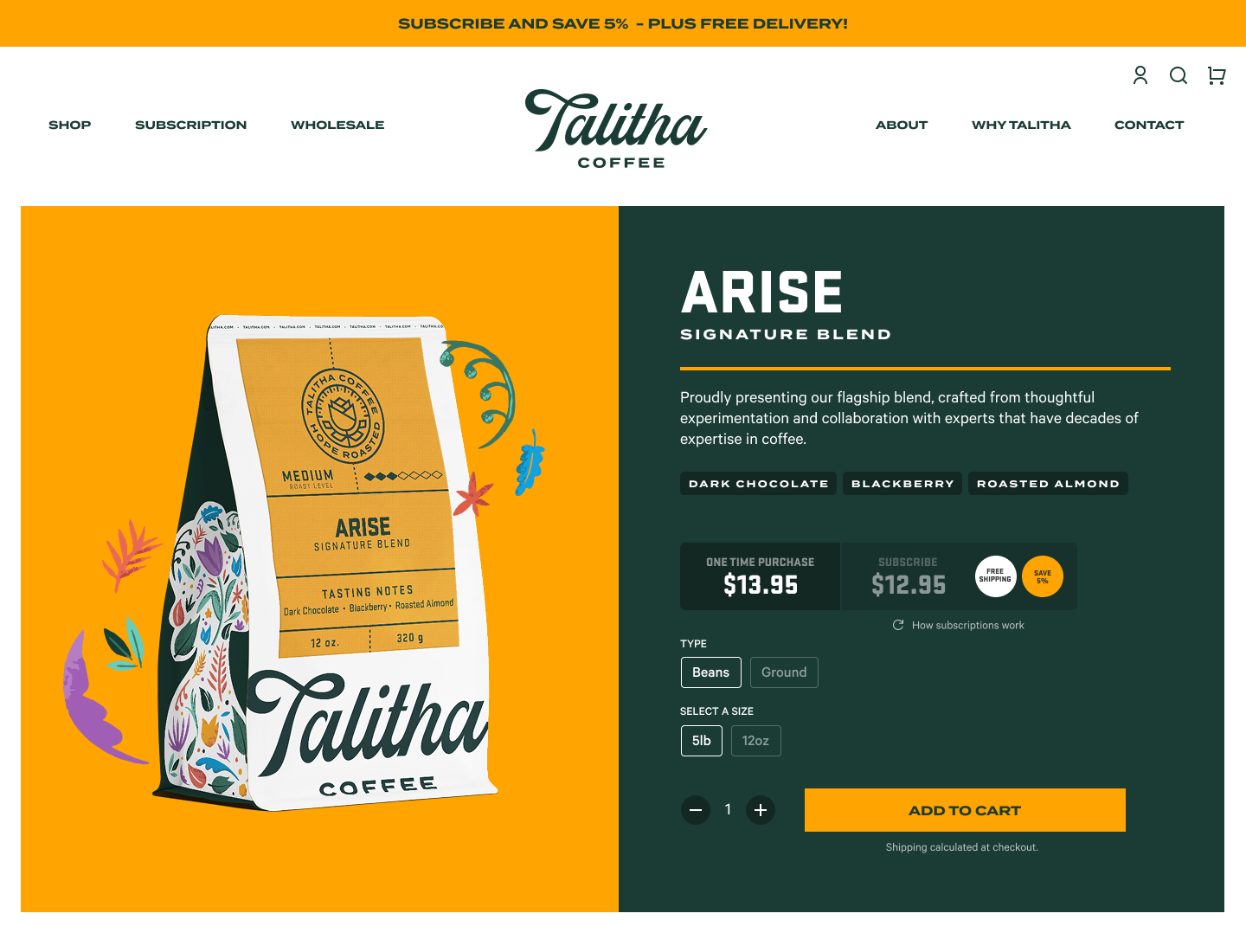
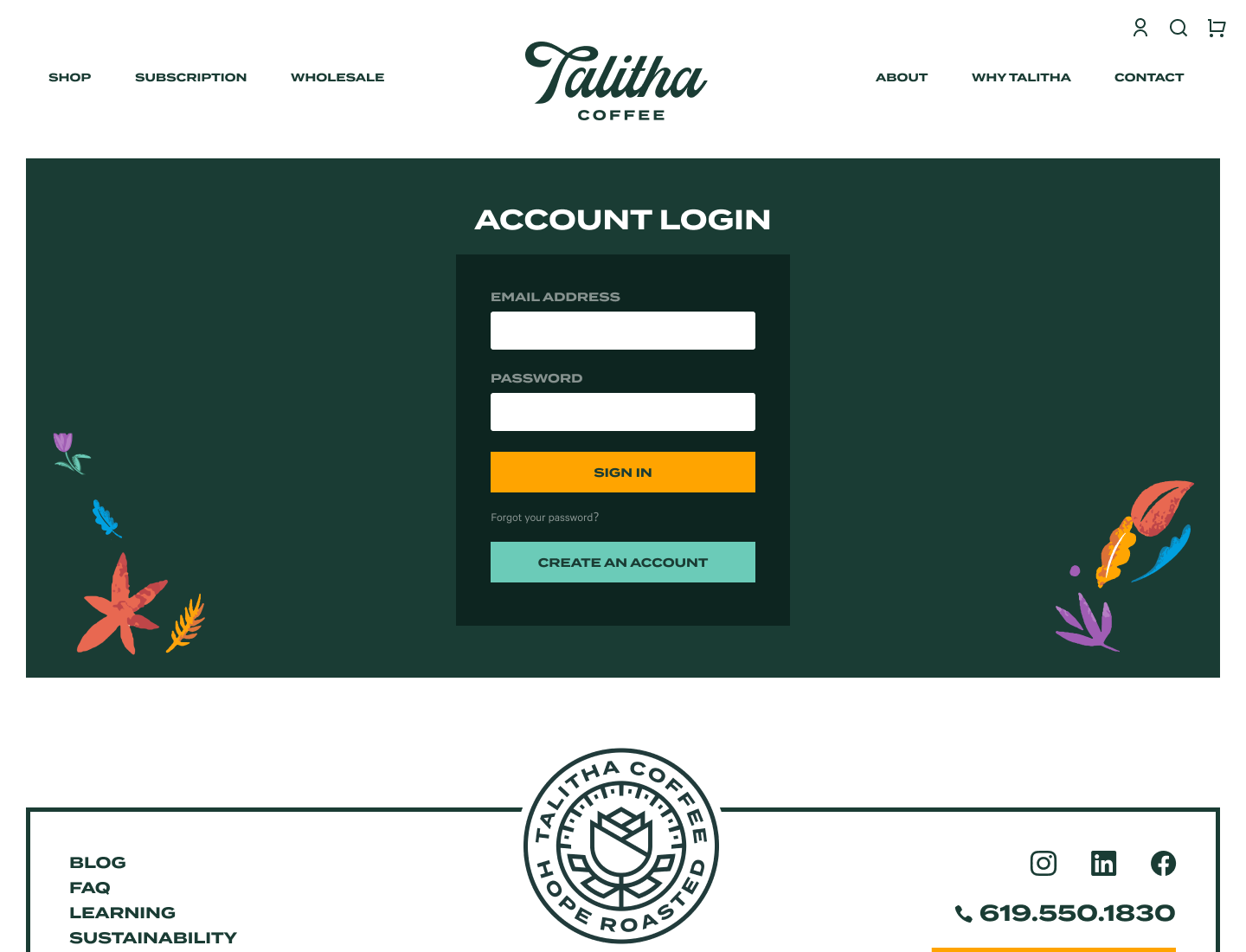
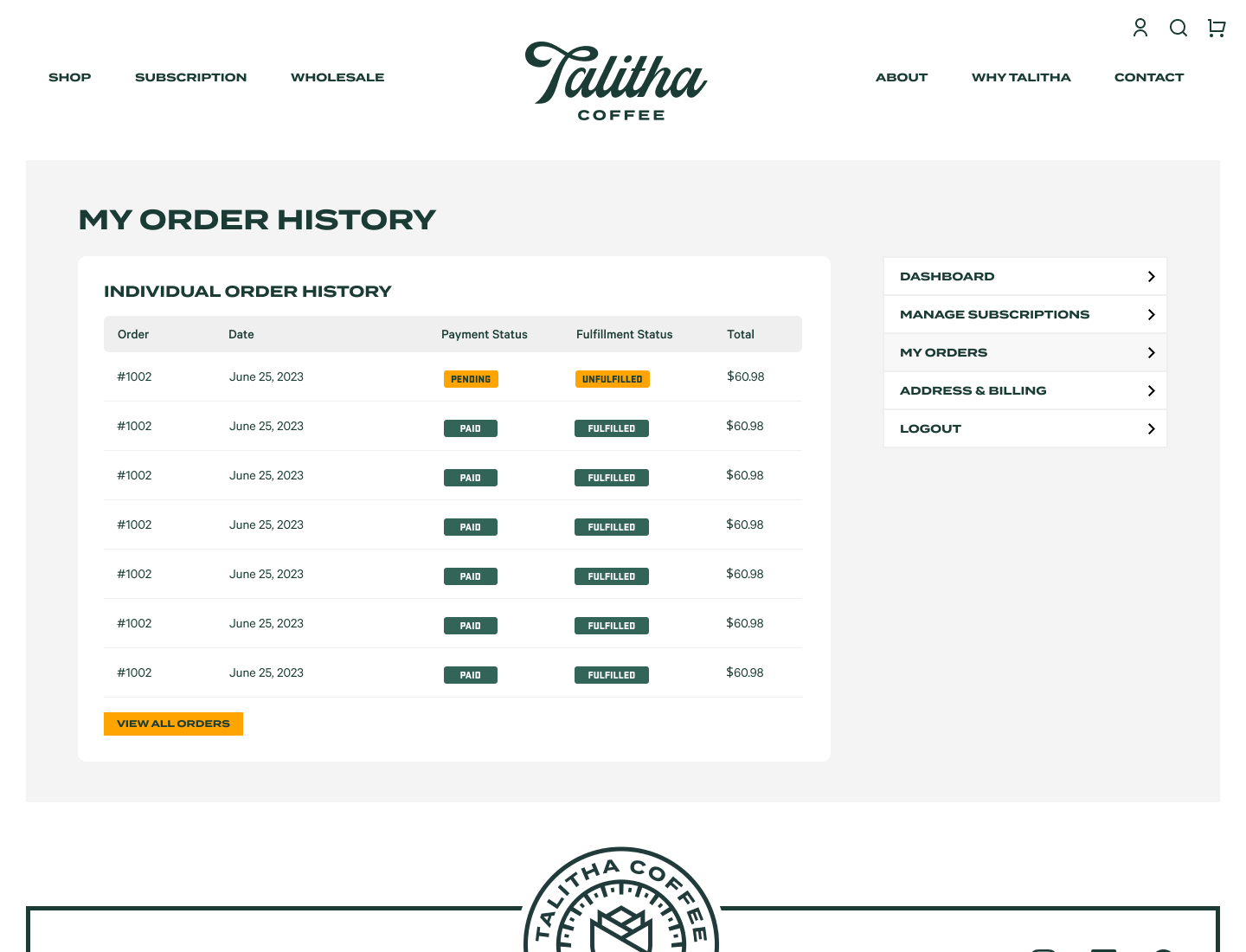
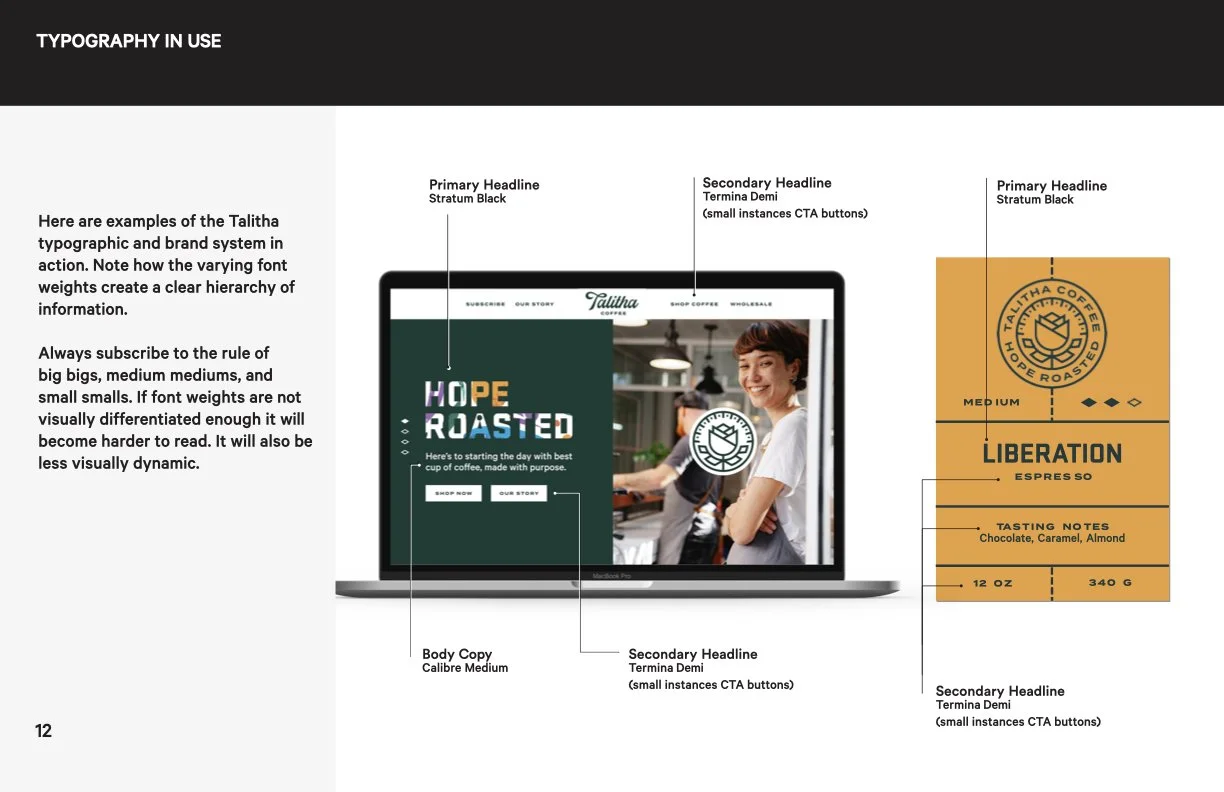
A built web experience with structure for product discovery, storytelling, and subscriptions.
Personalized cart, checkout, and post-purchase flows powered by tools like Rebuy Engine, tuned through experiments instead of guesswork.
A reporting layer that gave clear views into funnels, channel performance, and contribution margin.
AI-assisted content and operations workflows that helped marketing and support ship more without growing headcount.

My Role:
Owned the physical and digital products across the roadmap, marketing, and product discovery improvements through personalization and analytics.
Worked with engineering and data to define events, tracking, and reporting that answered real questions, not vanity ones.
Set up experimentation routines so we could quickly see what moved revenue, retention, and margin, and cut what did not.
Impact:
Grew Revenue 50%+ MoM over the 1st year
More relevant experiences at key moments in the journey translated into higher conversion and stronger repeat behavior.
Talitha has been directly involved in hiring and supporting survivors of trafficking.
A clearer understanding of which products, channels, and offers actually drove profit, not just top-line revenue.
Less manual work for operators, who could focus on roasting, operations, and customer relationships instead of wrestling with tools.
Project visuals