Case Study: Advantmed

Context:
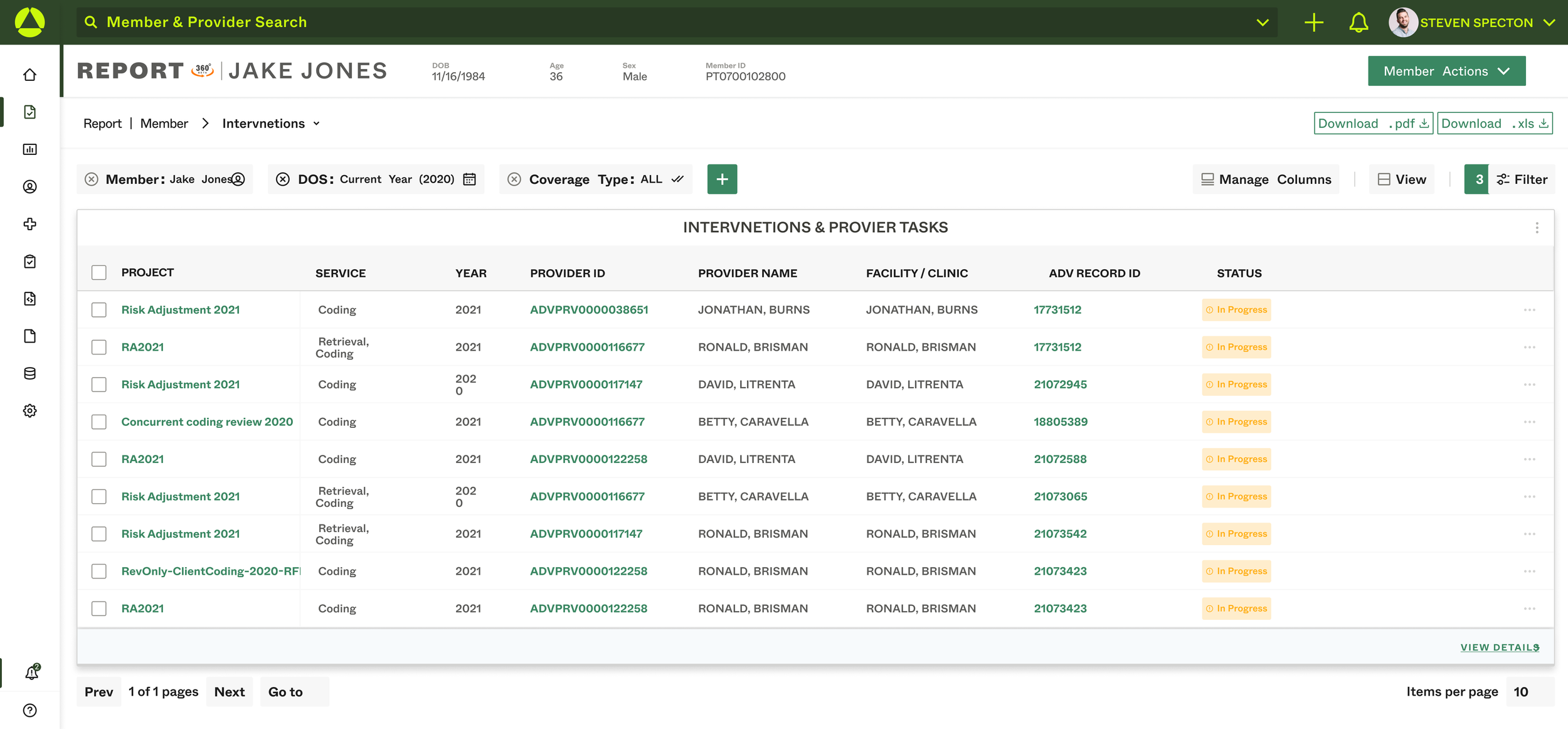
Advantmed operates in the middle of risk adjustment, quality, and in-home assessments. When I joined, the brand, platform, and analytics were significantly disjointed and were incapable of telling a clear story about the value we were delivering. We used the rebrand as a forcing function to modernize the product and make the data work harder.
Problem:
In-home assessments generated rich clinical data, but it was trapped in independent tools that were impossible to navigate.
Plans and providers struggled to see how performance varied across regions, providers, and programs.
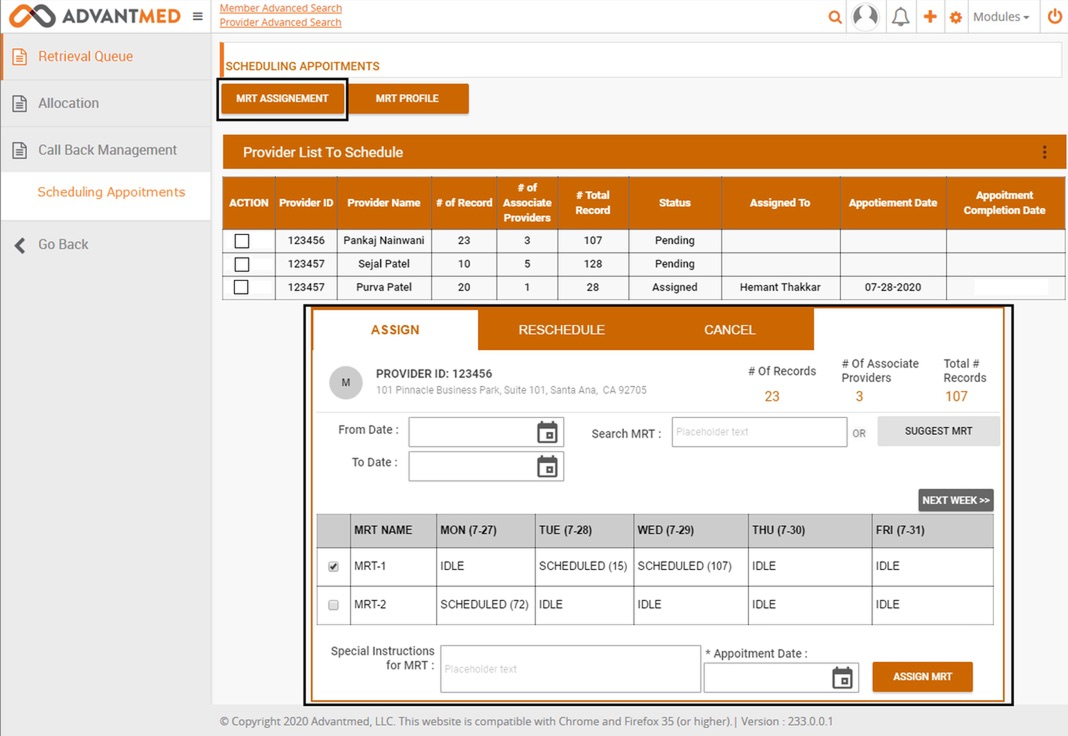
The platform and brand were impossible to navigate and understand. The brand felt generic and did not reflect the depth of the data and analytics under the hood.
Brand & Platform Prior:
(example of confusing layout)
What We Built:
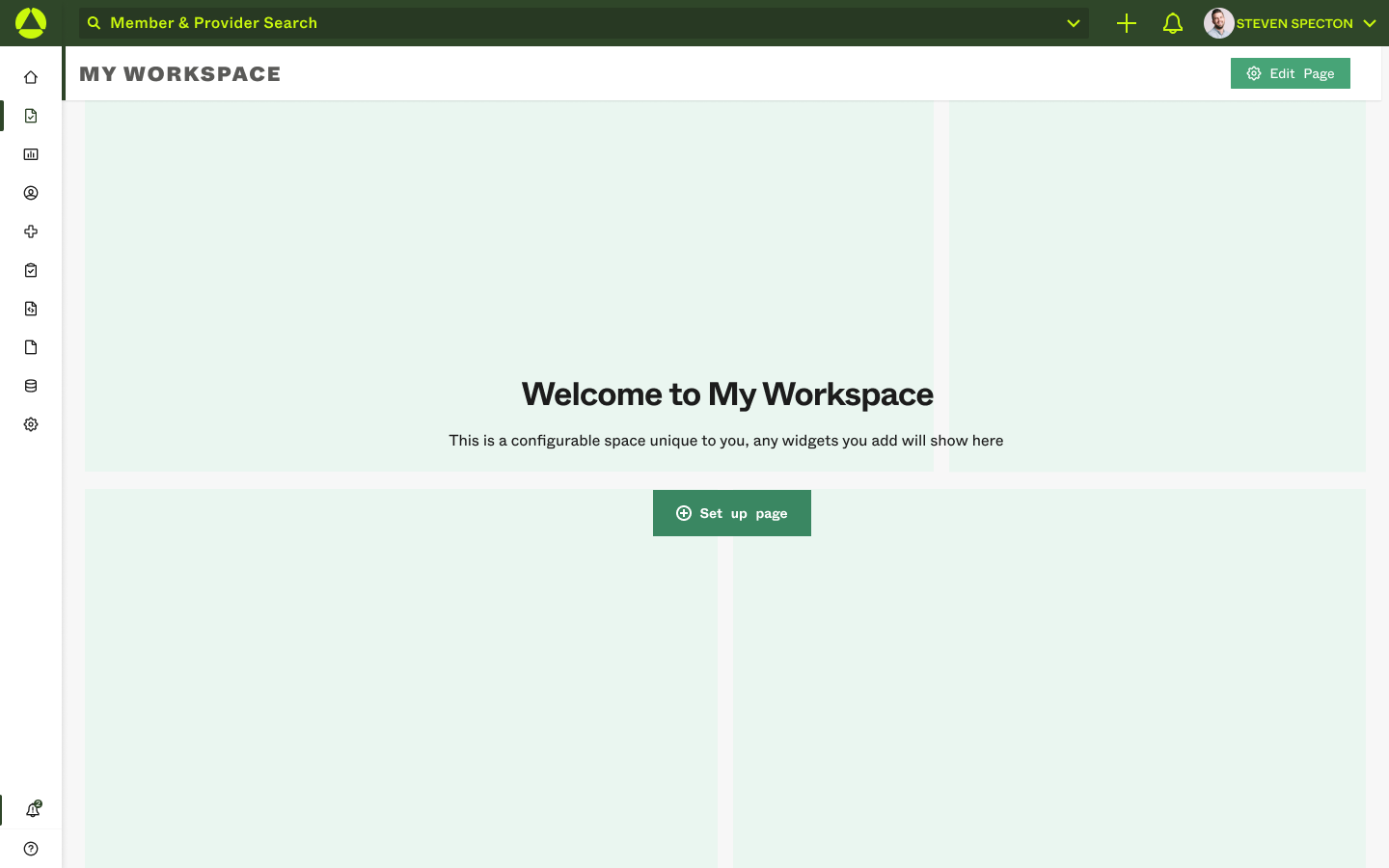
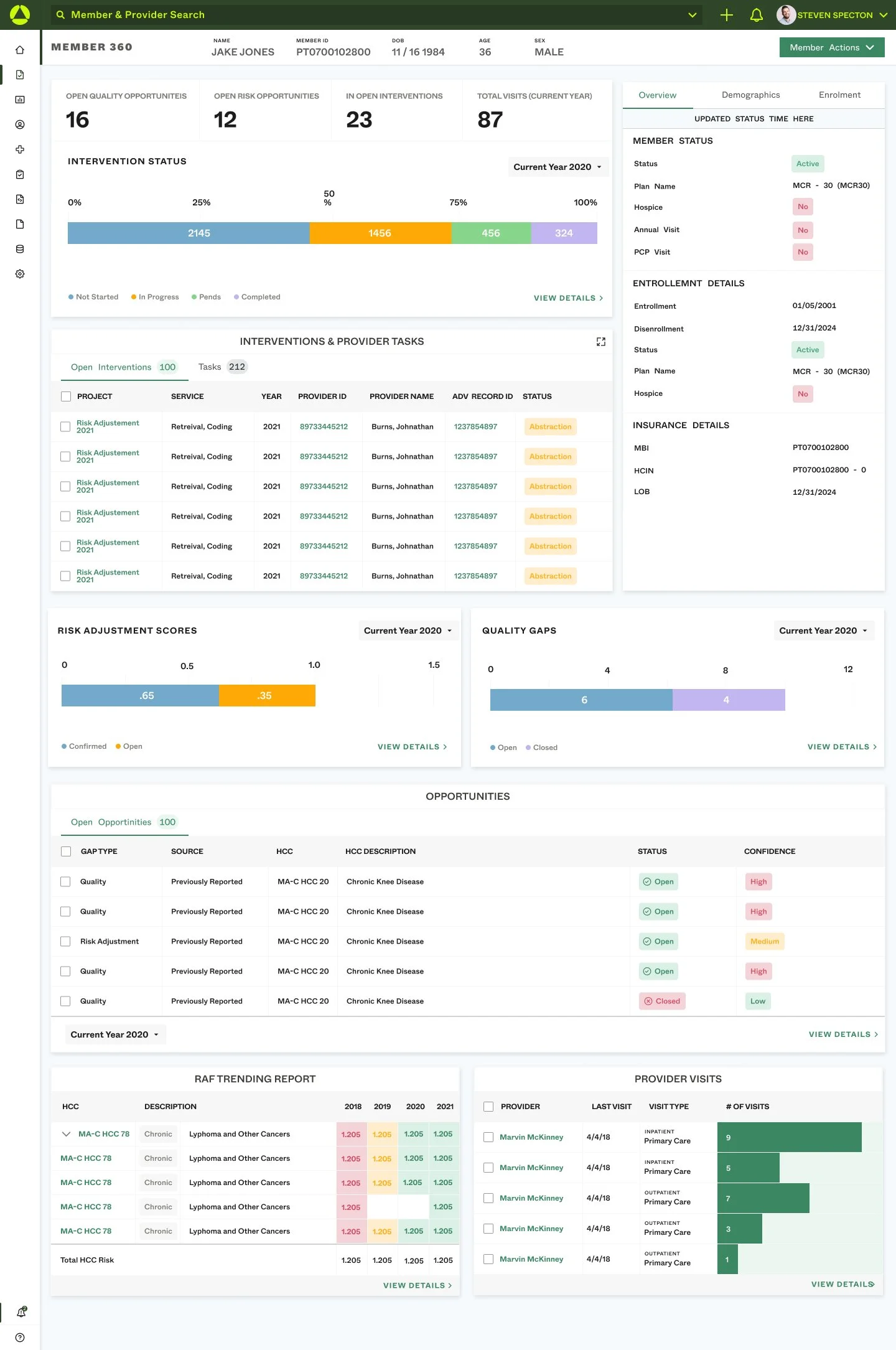
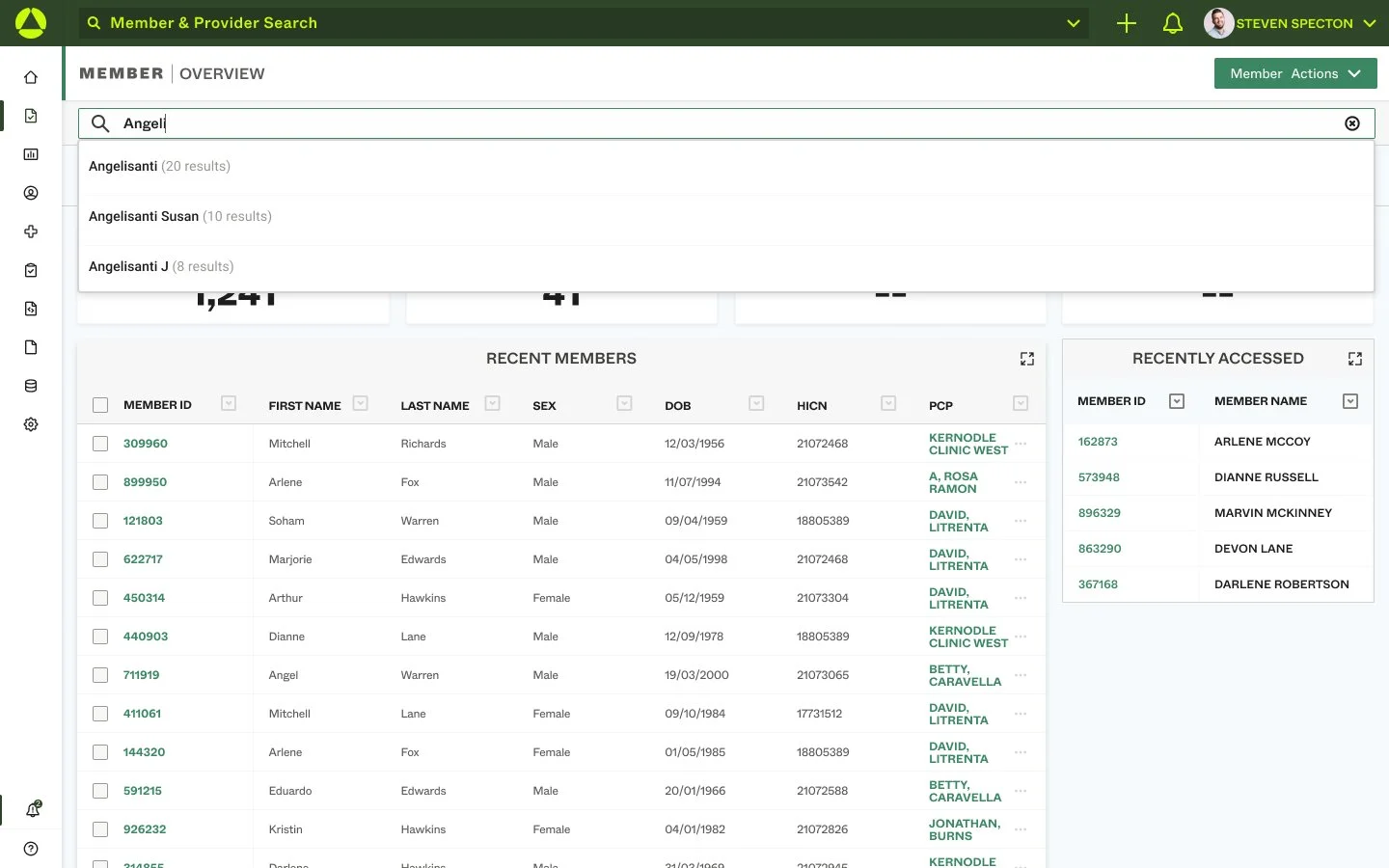
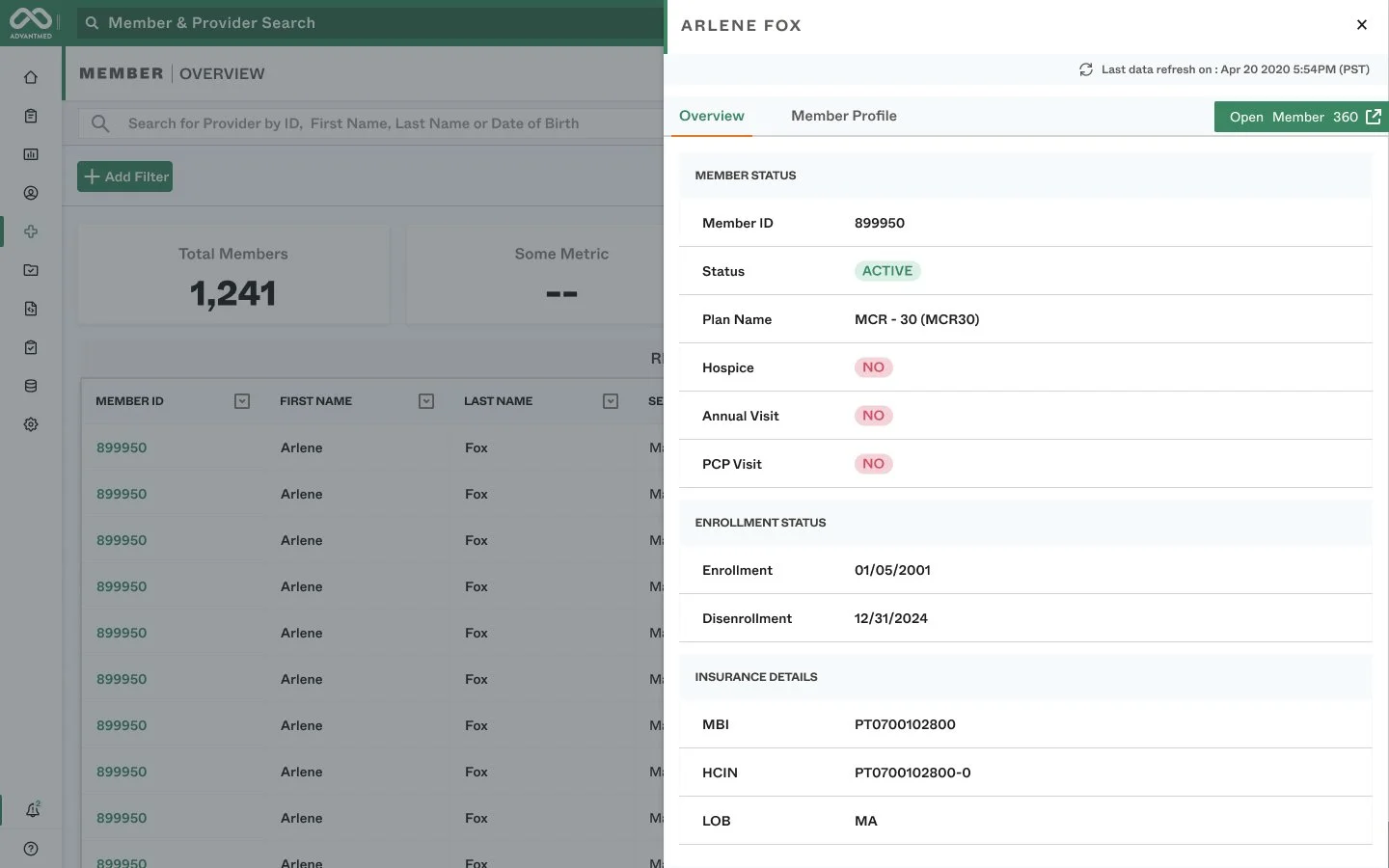
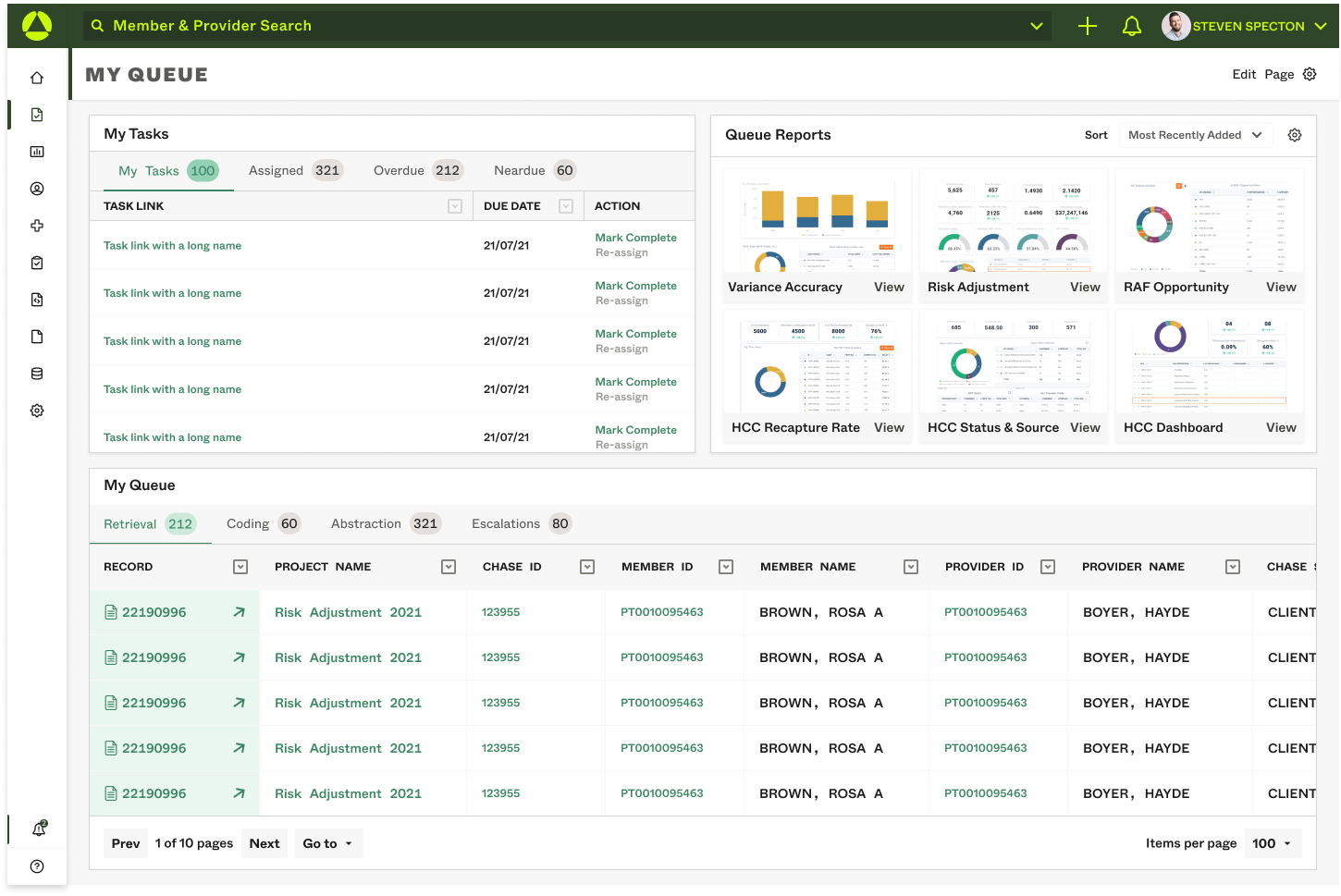
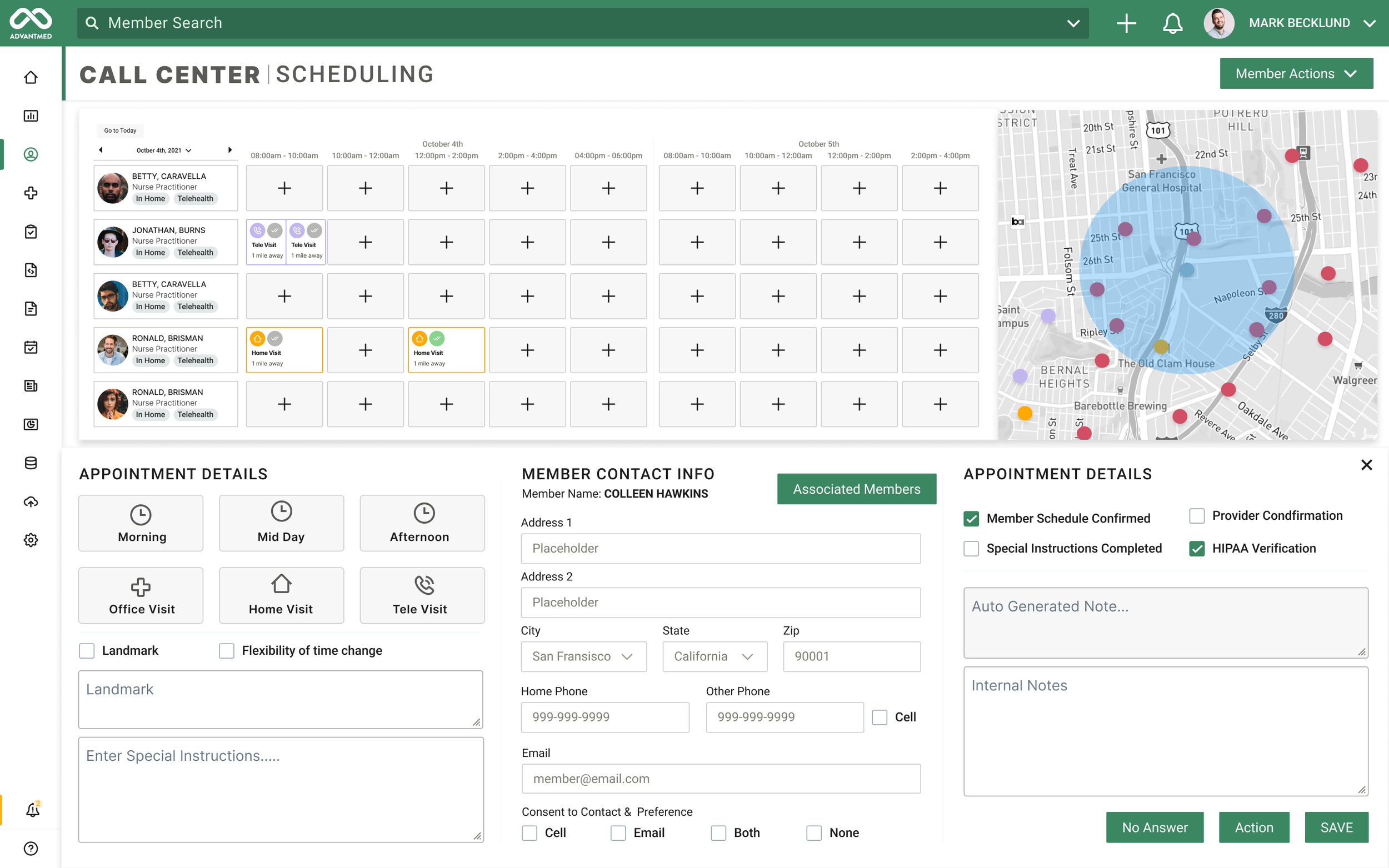
A modern assessment platform with structured, model-ready data capture flows for field clinicians and reviewers.
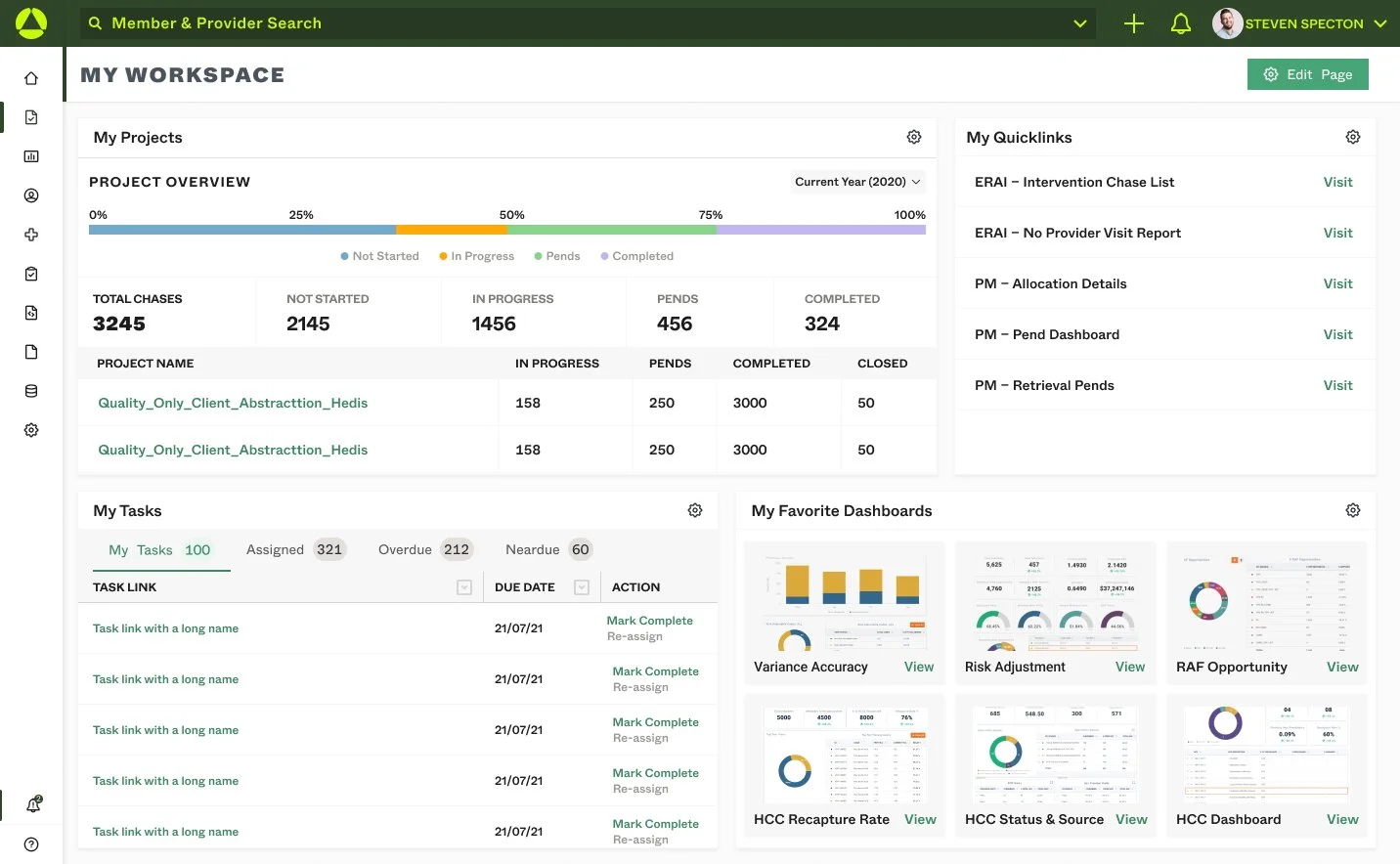
A risk and performance analytics layer that turned raw data into scores, cohorts, and benchmarking views used by leadership.
A benchmarking experience that let customers compare performance across regions, providers, and programs, highlighting where they were ahead or behind peers.
Updated brand and messaging that tied the narrative to concrete improvements in quality and financial outcomes.
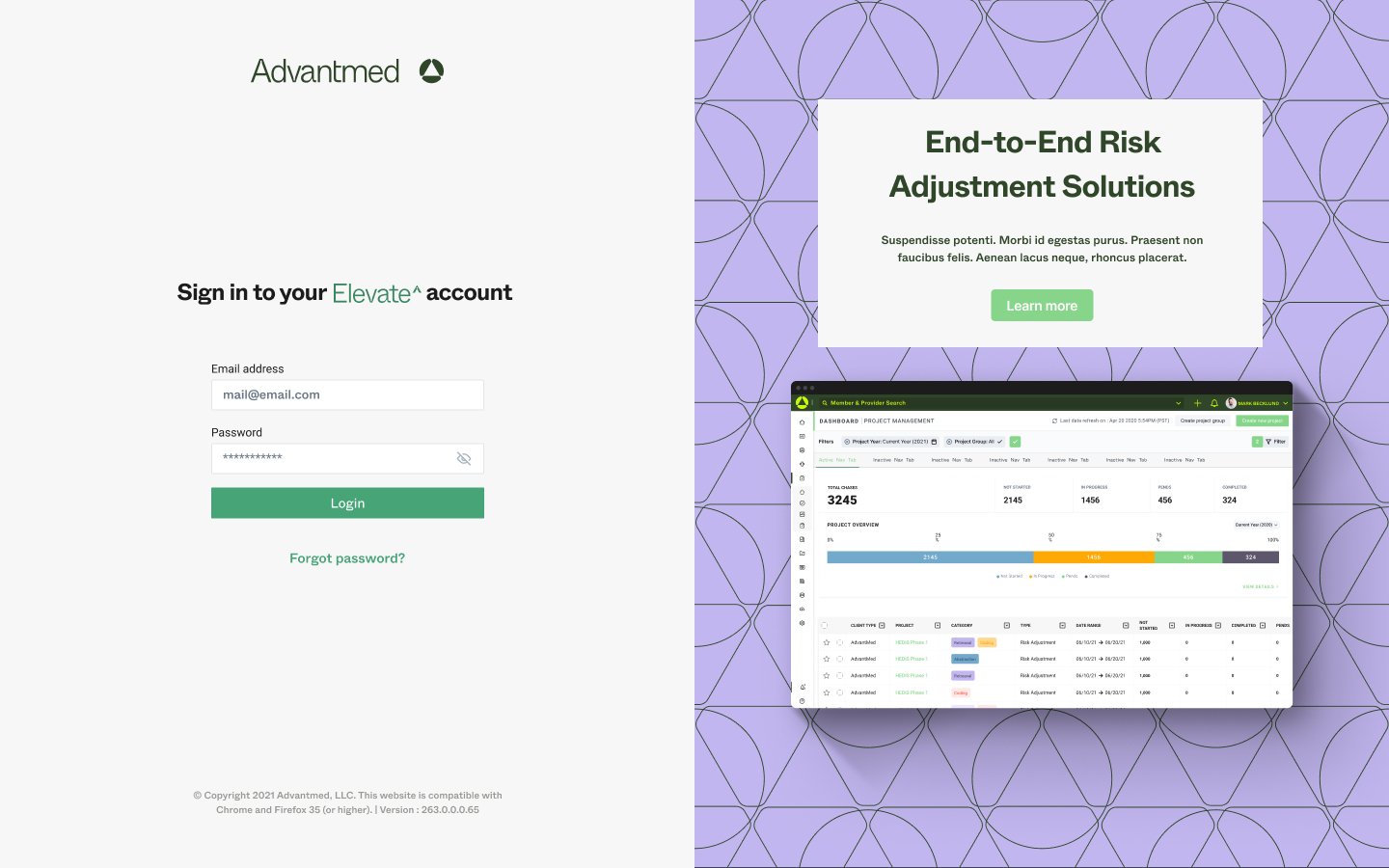
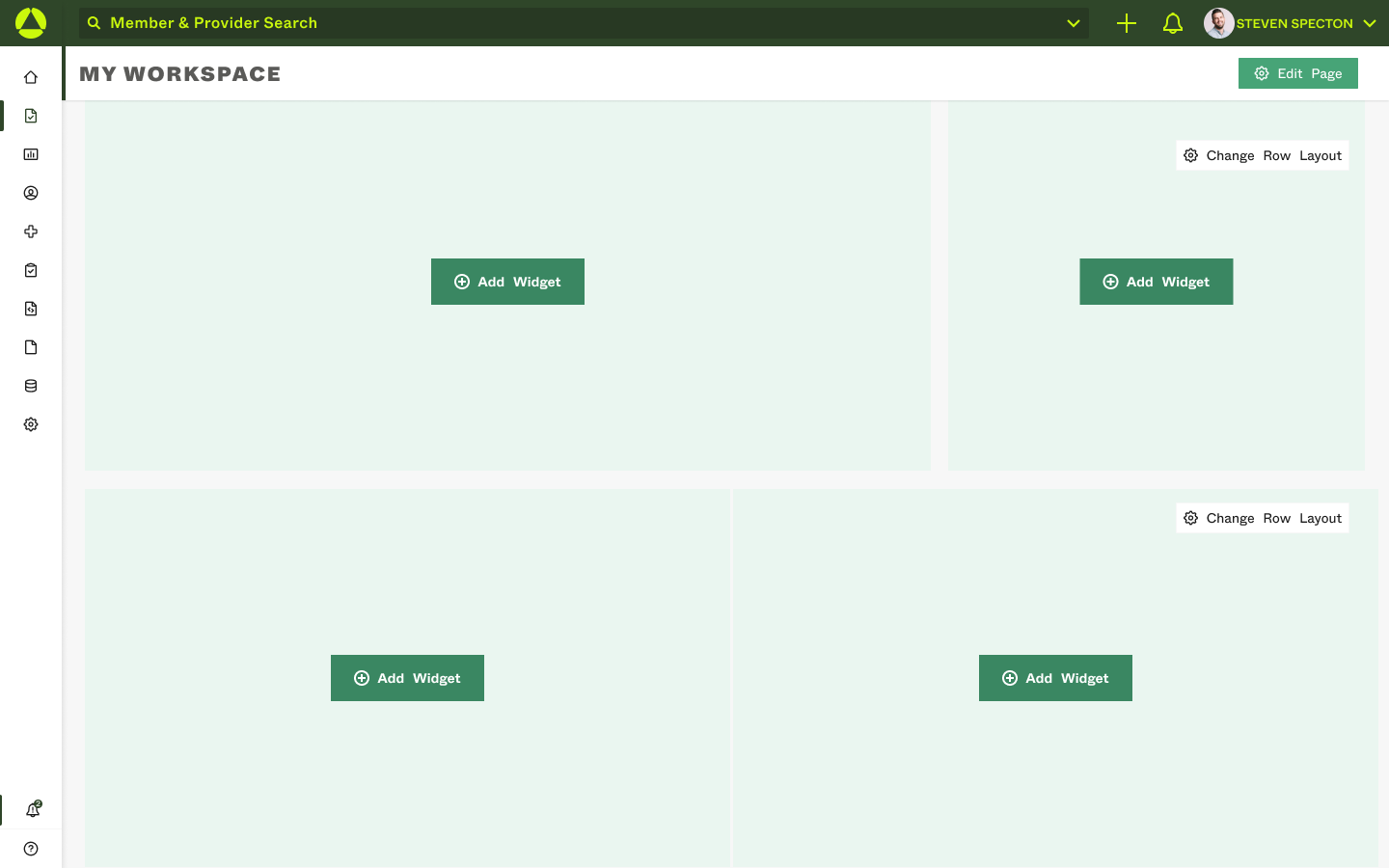
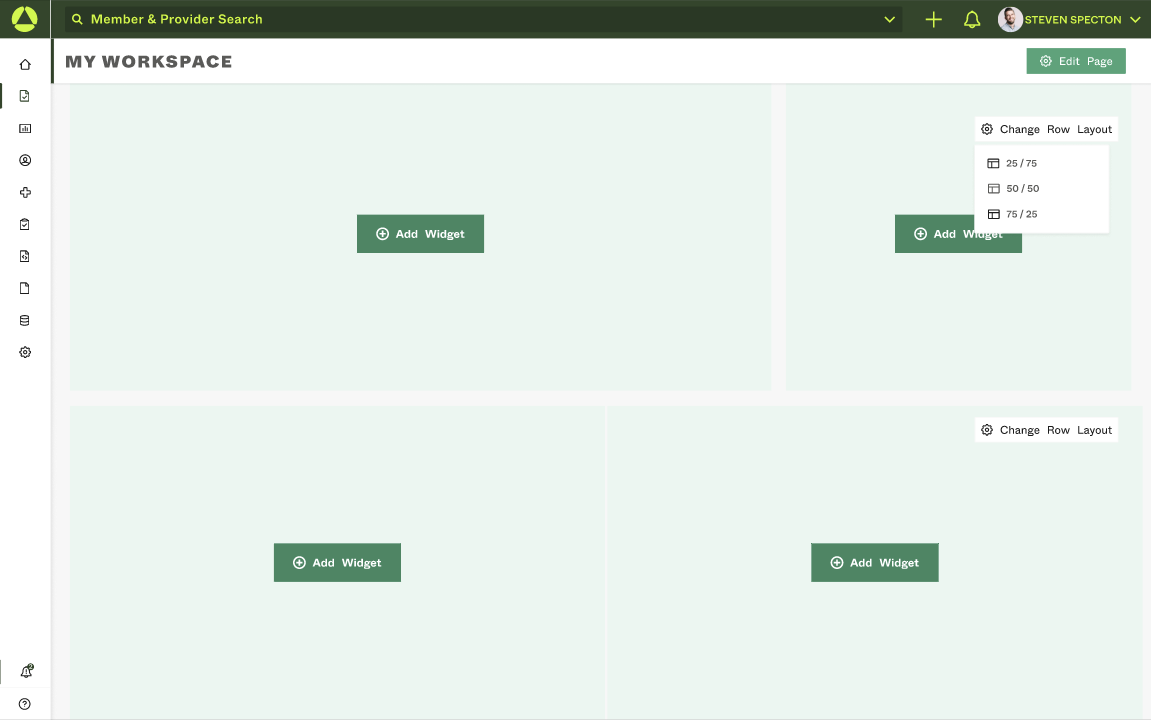
After:
My Role:
Owned product for the assessment platform and risk analytics stack, working closely with design, engineering, and data science.
Worked directly with datasets and analysts to validate definitions and make sure metrics were accurate and explainable.
Lead the marketing team on the rebrand, so the external story matched what the product and data could actually deliver.
Impact:
Customers gained a clear, repeatable way to see where risk and quality performance were strong or weak, instead of sifting through raw exports.
Improved NPS by over 25 basis points.
Internal teams had a cleaner data foundation for new models and analytics features.
The updated brand and product story made it easier for sales and account teams to connect product capabilities to business outcomes, resulting in a 75% improvement in customer retention